
Customer service: 00971581607579 📞


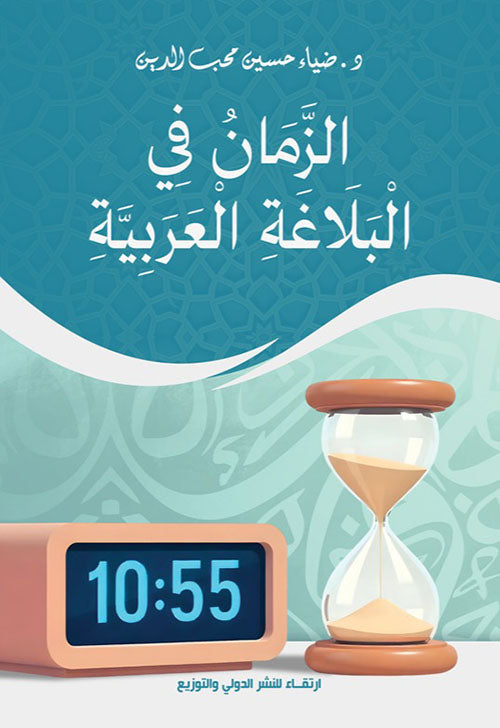
Time in Arabic rhetoric
Author's name: Dr. Diaa Moheb El-Din
The science of rhetoric sits atop the throne of Arabic sciences; through it the miraculous nature of the Holy Qur'an is known, and through it the fruit of discourse and the meanings of structures are known. This is the reason for the attention of previous scholars to it in the field of criticism, poetry, interpretation and other fields. This study, entitled (Time in Arabic Rhetoric), aimed to highlight the element of time in Arabic rhetoric in its three sciences: meanings, expression and figures of speech. The importance of the research comes from the fact that it gathers what is related to time in Arabic rhetoric into one theory that reveals the secrets of this time and its rhetorical meanings, after this time was scattered in the discussions of the books of rhetoricians. The researcher followed the inductive method in it, where he tracked the rhetorical phenomena related to time and collected them, then he followed the descriptive analytical method in describing the rhetorical phenomenon, analyzing it and citing evidence for it. Then the research reached the results where it became clear that the element of time is an original element in Arabic rhetoric; as it is related to its rules, its images and its figures of speech. The research mentioned the definition of the term morphological time, which is in the single word, syntactic time, which is in the phrase, and rhetorical time, which is in the rhetorical point that is known in the context of the phrase. Time was related to ten rules of the science of meanings, which are: taking into account the requirements of the situation, the purposes of the predicate being a noun or a verb, shifting between the past, present, and future, restriction by time, and by the conditional particles (if, and if). Rhetorical time was also related to the command and the wish, the question, the conjunction of coordination, the attribution of the verb to its time in the mental metaphor, brevity, and prolixity. The research showed the rhetorical situations that result from fronting and backshifting, definiteness and indefiniteness, mention and omission, and manifestation and implication in the temporal word. Among the results was also: the artistic image expressed time, so it transferred it from the abstract meaning to the tangible. Simile of all kinds, metaphor of all kinds, metonymy, and synecdoche have many examples in this field. The language used the temporal word in the types of rhetorical embellishments, both semantic and verbal. Among the semantic ones are: antithesis of all kinds, contrast, inversion, substitution, use, exaggeration, abstraction, wrapping and spreading, interlacing, division, and combination. Among the verbal ones are: alliteration, rhyme, and the Quranic pause.
The study recommended further research into the element of time in Arabic rhetoric and comparing it with modern linguistic studies.

Best Selling
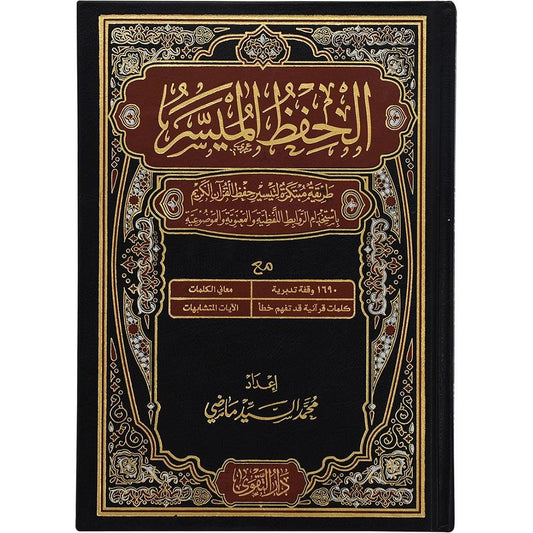

Easy Memorization Quran
Easy Memorization Quran
An innovative method to facilitate memorization of the Holy Quran using verbal and conceptual links.
Mohamed Elsayed Madi, Ahmed Issa Elmasrawi
- from Dhs. 45.00
- from Dhs. 45.00
- Unit price
- per


Take your belief from the Qur’an and the authentic Sunnah
Take your belief from the Qur’an and the authentic Sunnah Author's name: Muhammad ibn Jamil Zeno A message from Sheikh Muhammad Jamil Zeno in which he explains the doctrine of the Sunnis and the community on various doctrinal issues: monotheism, polytheism, tyranny, following the...
- Dhs. 15.00
- Dhs. 15.00
- Unit price
- per

I loved him, so everything loved me back.
I loved him so everything loved me Author's name: Raghad Al Saleh A profound, beautiful book with diverse presentations, ideas, and titles full of benefit and stories taken from the righteous predecessors and their hidden worship and how we get closer to God. I...
- Dhs. 49.00
- Dhs. 49.00
- Unit price
- per
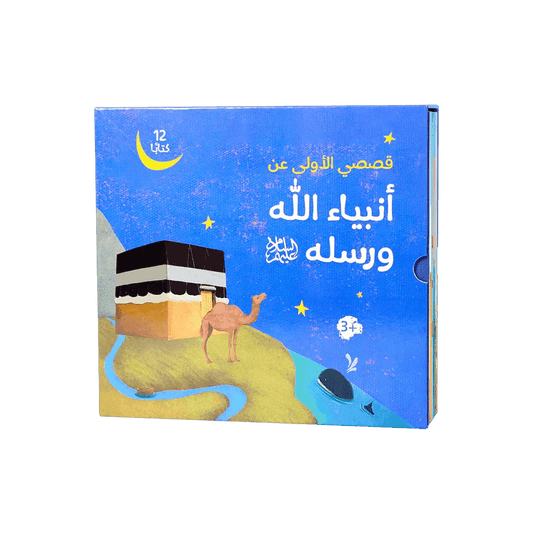

My first stories about God's prophets and messengers
My first stories about God's prophets and messengers A series of stories for children in early childhood education, featuring the prophets and messengers of God Almighty in a simple, enjoyable, and engaging style. The aim is to present lessons and morals drawn from their...
- Dhs. 165.00
Dhs. 185.00- Dhs. 165.00
- Unit price
- per
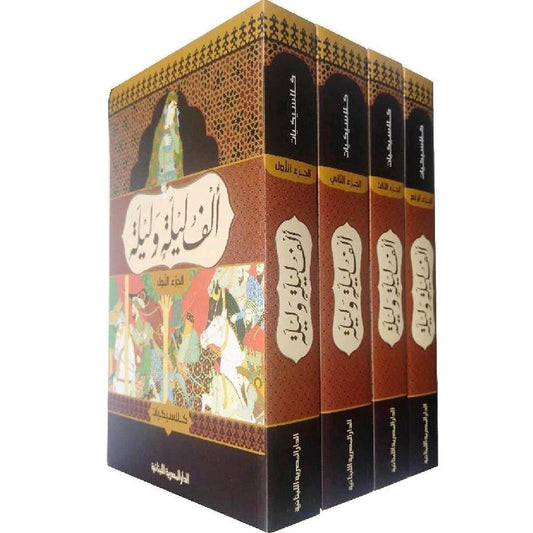

One Thousand and One Nights 4 parts
One Thousand and One Nights - 4 Parts Author Name: Abdullah Ibn al-Muqaffa One Thousand and One Nights is a collection of stories from West and South Asia, along with folk tales that were compiled and translated into Arabic during the Islamic...
- Dhs. 110.00
Dhs. 135.00- Dhs. 110.00
- Unit price
- per

Explanation of the Three Fundamentals, followed by an explanation of the Four Rules, by Sheikh Saleh Al-Fawzan
Explanation of the Three Principles Followed by an explanation of the four rules. Author's name: Imam Muhammad ibn Abd al-Wahhab Dr. Saleh bin Fawzan bin Abdullah Al-Fawzan Edited and printed by: Dr. Salman Jaber Othman Al-Mujalham Al-Suwailem The book Explanation of the Three Fundamentals,...
- Dhs. 65.00
- Dhs. 65.00
- Unit price
- per

The Power of Your Subconscious Mind Dr. Joseph Murphy
The power of your subconscious mind By Dr. Joseph Murphy This book is one of the best-selling self-help books of all time. This edition explains mental focus techniques that can remove subconscious obstacles that prevent us from achieving the success we desire, in a...
- Dhs. 62.00
Dhs. 73.00- Dhs. 62.00
- Unit price
- per

Because You are Allah: A Journey to the Seventh Heaven - Part One
Because You Are God: A Journey to the Seventh Heaven - Part One Author's name: Ali Jaber Al-Fifi The writer was able to take us through his creations on a deep journey to learn something about some of His names, such that no name...
- Dhs. 33.00
- Dhs. 33.00
- Unit price
- per

رسائل أيقظت رجلا
رسائل أيقظت رجلاً للكاتبة الإماراتية منيرة النعيمي في أبوظبي، يعيش سيف بين مسؤوليات الأبوة وذكريات لا تفارقه، محاولًا أن يصنع لأطفاله حياةً آمنة بعد أن غيّب الموت شريكة عمره. أربعة أطفال هم عالمه، وبيتٌ امتلأ يومًا بالحب، ثم تعلّم كيف يتعايش مع غياب من...
- Dhs. 65.00
- Dhs. 65.00
- Unit price
- per


One-Page Marketing Plan
The 1-Page Marketing Plan Author: Allan Dib To build a successful business, you must stop random marketing activities and start following a reliable plan for rapid growth. Creating a practical marketing plan used to be difficult and time-consuming, which is why it often...
- Dhs. 79.00
- Dhs. 79.00
- Unit price
- per
- Choosing a selection results in a full page refresh.