
Customer service: 00971581607579 📞


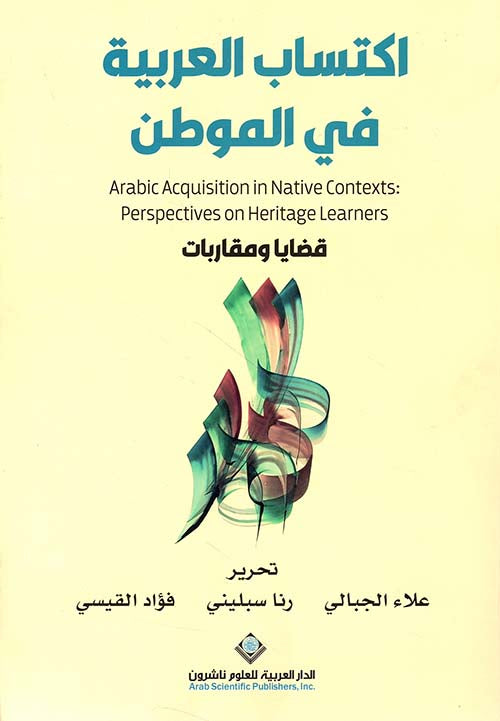
The book "Acquiring Arabic in the Homeland: Issues and Approaches" compiles a collection of academic studies by researchers in the educational field, focusing on the teaching and learning of the Arabic language both in homeland and diaspora. The book was edited by Alaa Al-Jabali, Rana Sablini, and Fouad Al-Qaisi. Arab societies are undergoing profound transformations in their educational structures, particularly evident in the rapid expansion of schools that adopt foreign languages as the primary language of instruction within the Arab world. The authors of this book agree that this phenomenon cannot be viewed as a neutral educational choice; rather, it is the result of a complex interaction of economic, social, and cultural factors, most notably globalization, shifts in the job market, and the dominance of perceptions that link progress and modernity with proficiency in foreign languages. In light of this epistemological concern, a category of native speakers has emerged, referred to in educational and linguistic literature as "heritage language speakers." These are individuals of Arab descent who have a family and community connection to Arabic but receive their formal education in a different language. The issue of teaching Arabic to this group takes on special importance because it occurs within their homelands, not in the context of migration or expatriation, which makes the paradox even sharper and more complex. This book offers educational and linguistic approaches that seek to deeply understand this phenomenon by presenting studies that highlight the specific characteristics of "heritage language speakers" and respond to their linguistic and cognitive needs. The book also combines theoretical and practical dimensions, aiming to rebuild the learner's connection to Arabic on modern interactive foundations, empowering their role as active participants in their learning rather than passive recipients. The unique feature of this book is that it does not offer definitive solutions to the issues of this category of learners as much as it seeks to stimulate a serious scientific discussion about the future of Arabic in its changing educational contexts, and to call for reconnecting what may be severed between these learners and their origins, and between language as a tool for knowledge. The goal of this effort is for the Arab learner to interact with their language not as a relic of the past, but as a living, renewable horizon capable of responding to the challenges of the present and shaping the future. Contributors: Mahmoud Al-Ashiri, Rima Qanawati, Sanaa Jaber, Anis Ben Salem, Abdul Rahman Shams El-Din, Shadi Qahwaji, Dalal Abu Al-Saud, Hamza Ghoura, Mustafa Bu Anani, Hani Farrag Ali Abu Bakr, Khadija Al-Sallabi, Abdullah Abdullah, Abdul Azim Sabri

Best Selling
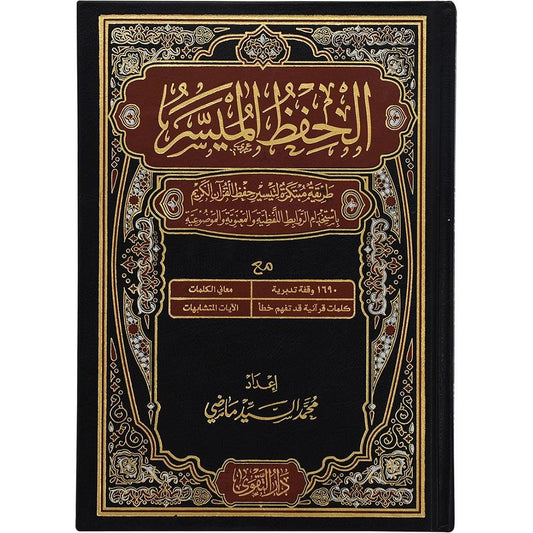

Easy Memorization Quran
Easy Memorization Quran
An innovative method to facilitate memorization of the Holy Quran using verbal and conceptual links.
Mohamed Elsayed Madi, Ahmed Issa Elmasrawi
- from Dhs. 45.00
- from Dhs. 45.00
- Unit price
- per
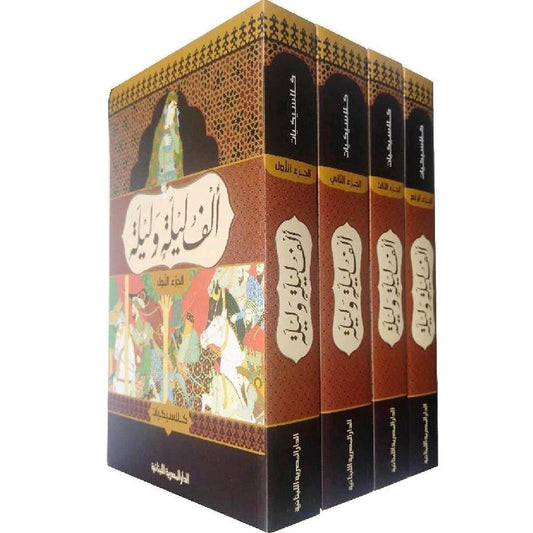

One Thousand and One Nights 4 parts
One Thousand and One Nights - 4 Parts Author Name: Abdullah Ibn al-Muqaffa One Thousand and One Nights is a collection of stories from West and South Asia, along with folk tales that were compiled and translated into Arabic during the Islamic...
- Dhs. 110.00
Dhs. 135.00- Dhs. 110.00
- Unit price
- per

The courage to be unloved
The courage to be unpopular Author's Name: Ichiro Kishimi - Fumitake Koga "It is not what we are given at birth that matters, but how we use that provision." "Your suffering in life cannot be attributed to your past or your environment. Nor is...
- Dhs. 57.00
- Dhs. 57.00
- Unit price
- per

Because You are Allah: A Journey to the Seventh Heaven - Part One
Because You Are God: A Journey to the Seventh Heaven - Part One Author's name: Ali Jaber Al-Fifi The writer was able to take us through his creations on a deep journey to learn something about some of His names, such that no name...
- Dhs. 33.00
- Dhs. 33.00
- Unit price
- per

رسائل أيقظت رجلا
رسائل أيقظت رجلاً للكاتبة الإماراتية منيرة النعيمي في أبوظبي، يعيش سيف بين مسؤوليات الأبوة وذكريات لا تفارقه، محاولًا أن يصنع لأطفاله حياةً آمنة بعد أن غيّب الموت شريكة عمره. أربعة أطفال هم عالمه، وبيتٌ امتلأ يومًا بالحب، ثم تعلّم كيف يتعايش مع غياب من...
- Dhs. 65.00
- Dhs. 65.00
- Unit price
- per


One-Page Marketing Plan
The 1-Page Marketing Plan Author: Allan Dib To build a successful business, you must stop random marketing activities and start following a reliable plan for rapid growth. Creating a practical marketing plan used to be difficult and time-consuming, which is why it often...
- Dhs. 79.00
- Dhs. 79.00
- Unit price
- per

The Frozen River
The Frozen River
Author: Arbuthnot Lauson
A translated historical novel set in the late 18th century in the state of Maine, USA, blending mystery, investigation, and social and historical aspects.
- Dhs. 68.00
- Dhs. 68.00
- Unit price
- per


Meditation on a verse - cards
Reflect on the verse
cards
These are cards containing verses from the Holy Quran. After each verse there is a positive message that will awaken the soul from its heedlessness, and urge and encourage it to return to God again.
- Dhs. 47.00
- Dhs. 47.00
- Unit price
- per
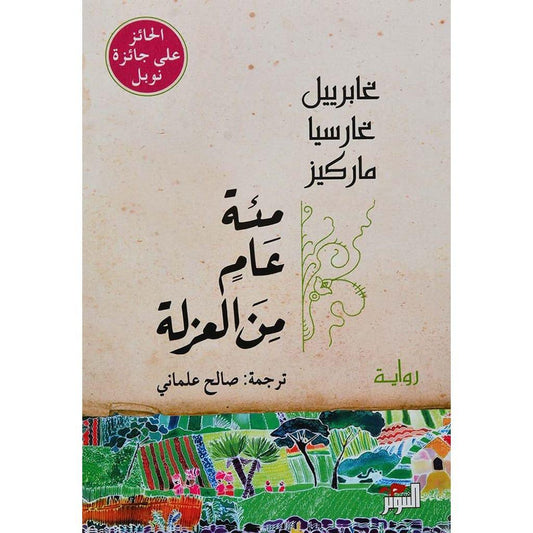

One Hundred Years of Solitude
One Hundred Years of Solitude Author's name: Gabriel García Márquez Translator: Saleh Almani One Hundred Years of Solitude is one of the most recommended books, as it is one of the best books that discusses the subject in a brilliant way, and it is...
- Dhs. 68.00
- Dhs. 68.00
- Unit price
- per
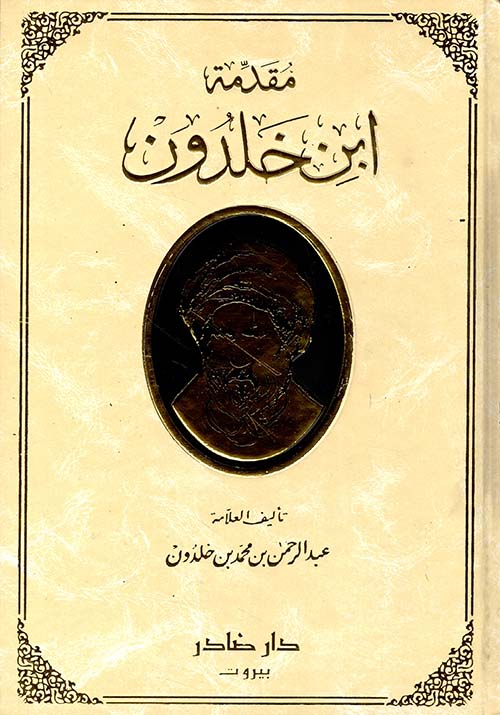

Muqaddimah of Ibn Khaldun - Abd al-Rahman Ibn Khaldun | Dar Sader
Ibn Khaldun's Muqaddimah Author: Abd al-Rahman ibn Muhammad ibn Khaldun, known as the Sage of Historians, who died in 808 AH. The Muqaddimah is a book authored by Ibn Khaldun in 1377 CE as an introduction to his massive work titled Kitāb...
- Dhs. 65.00
- Dhs. 65.00
- Unit price
- per
- Choosing a selection results in a full page refresh.