
Customer service: 00971581607579 📞


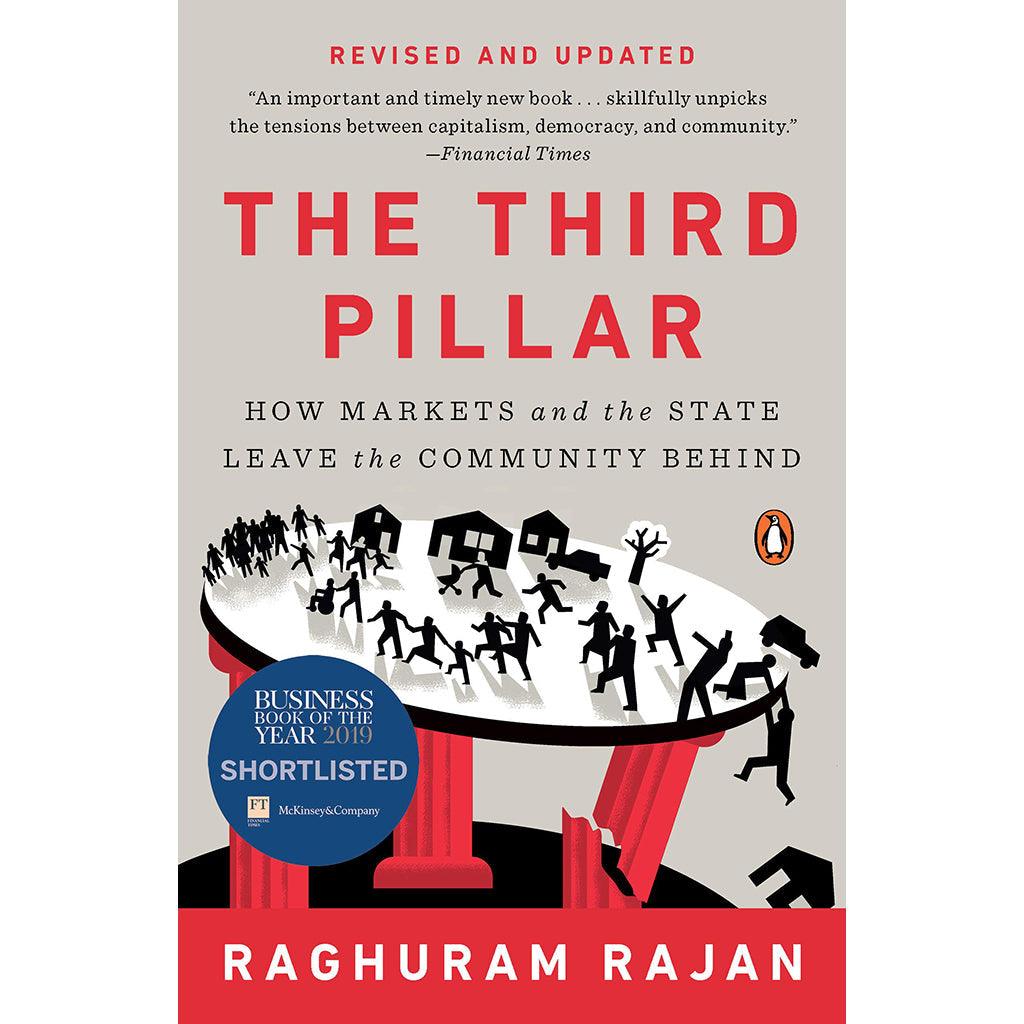
Review and update
Shortlisted for the Financial Times/McKinsey Business Book of the Year Award
From one of the most important economic thinkers of our time, a brilliant and far-sighted analysis of the current populist backlash against globalization.
Raghuram Rajan, Distinguished Professor at the University of Chicago, former chief economist of the International Monetary Fund, and governor of India's central bank, and author of *Fault Lines*, which won the 2010 Financial Times-Goldman Sachs Book of the Year Award, has an unparalleled perspective on the social and economic consequences of globalization and its ultimate impact on our politics. In *The Third Pillar*, Rajan offers a brilliantly comprehensive framework for understanding how these three forces—the state, markets, and our societies—interact, why things start to unravel, and how we can return to a safer and more stable level. The "third pillar" in the book's title is the society we live in. Economists often define their field as the relationship between markets and the state, leaving complex social issues to others. Rajan argues that this is not just shortsighted; it is dangerous. All economics is, in fact, socioeconomics—all markets are embedded in a web of human relationships, values, and norms. As he shows, throughout history, technological transformations have wrested the market from those old networks, leading to backlash and what we now call populism. Eventually, a new equilibrium is reached, but it can be ugly and messy, especially if mishandled. Right now, we're getting it wrong. As markets grow, the state grows with them, concentrating economic and political power in thriving central centers, leaving the periphery to disintegrate, figuratively and even literally. Instead, Rajan offers a way to rethink the relationship between the market and civil society, calling for a return to strengthening and empowering local communities as an antidote to despair and growing unrest. Rajan is no ideological conservative, so his ultimate argument—that decision-making must be devolved to the grassroots or our democracy will continue to wither—is undoubtedly provocative. But even ignoring its solutions, The Third Pillar is a masterpiece of interpretation, a book that will become a classic of its kind for its wise, reliable, and humane explanation of the forces that have brought about this radical change in our lives.

Best Selling
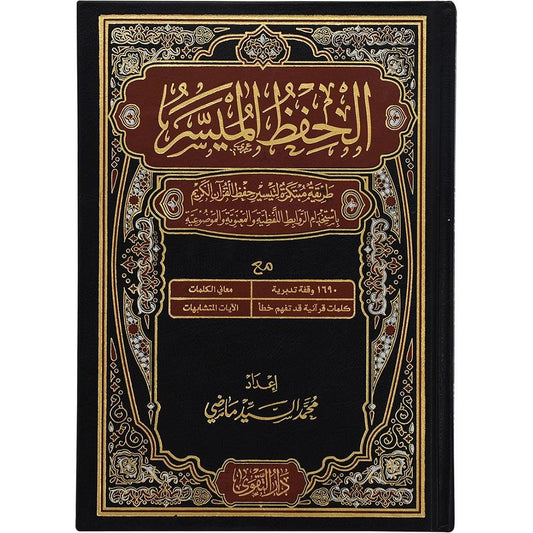

Easy Memorization Quran
Easy Memorization Quran
An innovative method to facilitate memorization of the Holy Quran using verbal and conceptual links.
Mohamed Elsayed Madi, Ahmed Issa Elmasrawi
- from Dhs. 45.00
- from Dhs. 45.00
- Unit price
- per
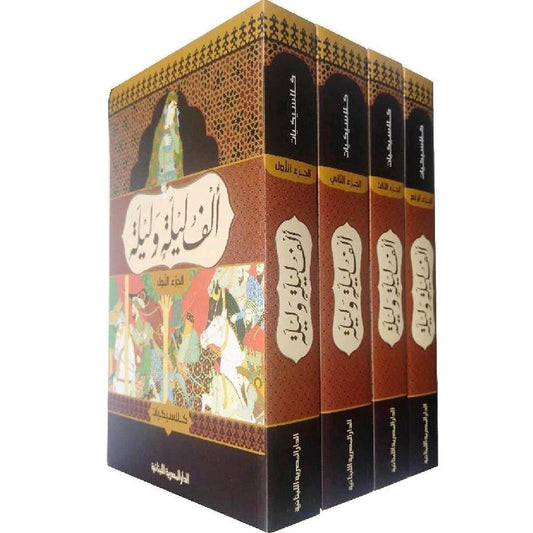

One Thousand and One Nights 4 parts
One Thousand and One Nights - 4 Parts Author Name: Abdullah Ibn al-Muqaffa One Thousand and One Nights is a collection of stories from West and South Asia, along with folk tales that were compiled and translated into Arabic during the Islamic...
- Dhs. 110.00
Dhs. 135.00- Dhs. 110.00
- Unit price
- per

Explanation of the Three Fundamentals, followed by an explanation of the Four Rules, by Sheikh Saleh Al-Fawzan
Explanation of the Three Principles Followed by an explanation of the four rules. Author's name: Imam Muhammad ibn Abd al-Wahhab Dr. Saleh bin Fawzan bin Abdullah Al-Fawzan Edited and printed by: Dr. Salman Jaber Othman Al-Mujalham Al-Suwailem The book Explanation of the Three Fundamentals,...
- Dhs. 65.00
- Dhs. 65.00
- Unit price
- per

The Power of Your Subconscious Mind Dr. Joseph Murphy
The power of your subconscious mind By Dr. Joseph Murphy This book is one of the best-selling self-help books of all time. This edition explains mental focus techniques that can remove subconscious obstacles that prevent us from achieving the success we desire, in a...
- Dhs. 62.00
Dhs. 73.00- Dhs. 62.00
- Unit price
- per

Because You are Allah: A Journey to the Seventh Heaven - Part One
Because You Are God: A Journey to the Seventh Heaven - Part One Author's name: Ali Jaber Al-Fifi The writer was able to take us through his creations on a deep journey to learn something about some of His names, such that no name...
- Dhs. 33.00
- Dhs. 33.00
- Unit price
- per

The courage to be unloved
The courage to be unpopular Author's Name: Ichiro Kishimi - Fumitake Koga "It is not what we are given at birth that matters, but how we use that provision." "Your suffering in life cannot be attributed to your past or your environment. Nor is...
- Dhs. 57.00
- Dhs. 57.00
- Unit price
- per

رسائل أيقظت رجلا
رسائل أيقظت رجلاً للكاتبة الإماراتية منيرة النعيمي في أبوظبي، يعيش سيف بين مسؤوليات الأبوة وذكريات لا تفارقه، محاولًا أن يصنع لأطفاله حياةً آمنة بعد أن غيّب الموت شريكة عمره. أربعة أطفال هم عالمه، وبيتٌ امتلأ يومًا بالحب، ثم تعلّم كيف يتعايش مع غياب من...
- Dhs. 65.00
- Dhs. 65.00
- Unit price
- per


One-Page Marketing Plan
The 1-Page Marketing Plan Author: Allan Dib To build a successful business, you must stop random marketing activities and start following a reliable plan for rapid growth. Creating a practical marketing plan used to be difficult and time-consuming, which is why it often...
- Dhs. 79.00
- Dhs. 79.00
- Unit price
- per

The Frozen River
The Frozen River
Author: Arbuthnot Lauson
A translated historical novel set in the late 18th century in the state of Maine, USA, blending mystery, investigation, and social and historical aspects.
- Dhs. 68.00
- Dhs. 68.00
- Unit price
- per


One Hundred Years of Solitude
One Hundred Years of Solitude Author's name: Gabriel García Márquez Translator: Saleh Almani One Hundred Years of Solitude is one of the most recommended books, as it is one of the best books that discusses the subject in a brilliant way, and it is...
- Dhs. 68.00
- Dhs. 68.00
- Unit price
- per
- Choosing a selection results in a full page refresh.