
Customer service: 00971581607579 📞


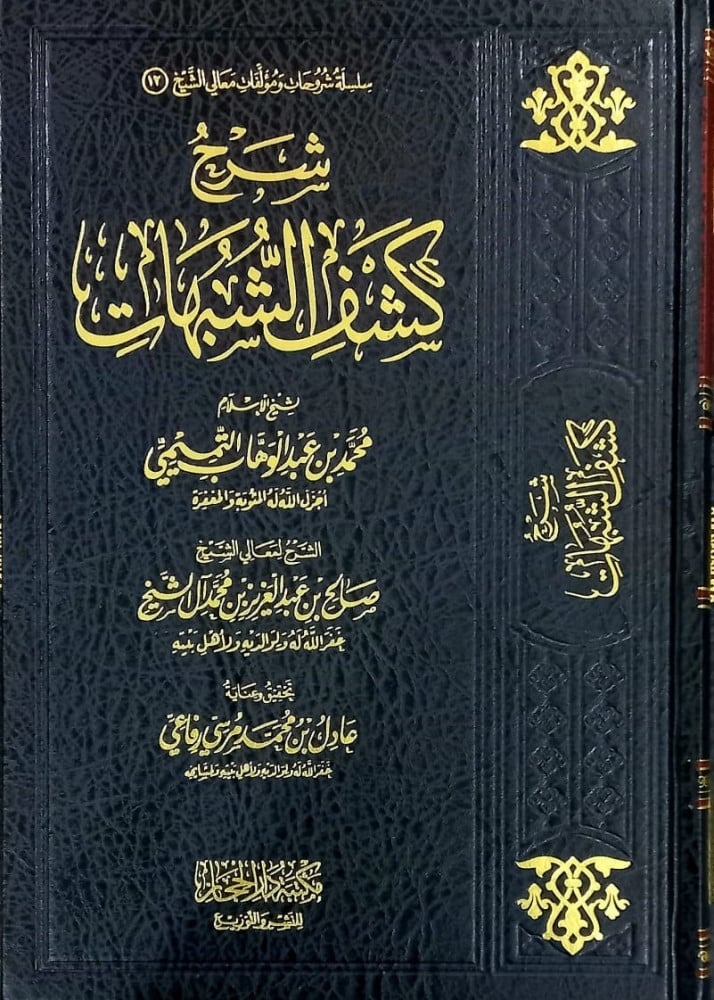

Explanation of Kashf al-Shubuhat
By Sheikh Al-Islam: Muhammad ibn Abd al-Wahhab
Explanation by His Excellency Sheikh: Saleh bin Abdulaziz Al Sheikh
Investigation: Adel Mohammed Al-Rifai
Kashf al-Shubuhat: A valuable treatise written by the Imam, the renewer Muhammad ibn Abd al-Wahhab – may Allah have mercy on him – which is a series of doubts raised by the polytheists, refuting and invalidating them. It explains the oneness of worship and the oneness of divinity, which is Allah’s right over His servants. It also explains the difference between the oneness of Lordship and the oneness of divinity and worship. A number of scholars have explained it and clarified its objectives. This book is a transcription of the lessons delivered by His Excellency Sheikh Saleh Al ash-Sheikh – may Allah protect him.
Kashf al-Shubuhat (Exposing Doubts) is a treatise on the unity of divinity written by the Sunni Salafi scholar Muhammad ibn Abd al-Wahhab. It emphasizes the importance of distinguishing between the unity of divinity and lordship, and refutes the arguments and doubts prevalent in his era to justify seeking intercession through graves, the dead, saints, and others. Today, the book is considered of great value to students of knowledge, and it is one of the first texts studied in the science of creed during the student's studies.
The message consists of four sections: Section One: Introduction: This is a long section explaining the beliefs of the polytheists during the time of the Messenger (peace and blessings of Allah be upon him), the nature of their religious devotion, their belief in the Oneness of Lordship and Divinity, the differences in the definition of Divinity, ignorance and interpretation, and some of Allah’s laws of enmity towards the people of falsehood. It includes eleven sections from the first to the end of the eleventh. Section Two: Refuting Doubts: These are approximately nine doubts, and he responded to them with evidence, including four major doubts - as the author said - and before that he mentioned the general response to the doubts. Section Three: Refuting some of the opponents’ evidence, which is four pieces of evidence. Section Four: Conclusion: In it, the author explained the importance of Tawhid and the pillar of acting upon it. He focused on this aspect and discussed some of the weak excuses that prevent acting upon Tawhid.

Best Selling
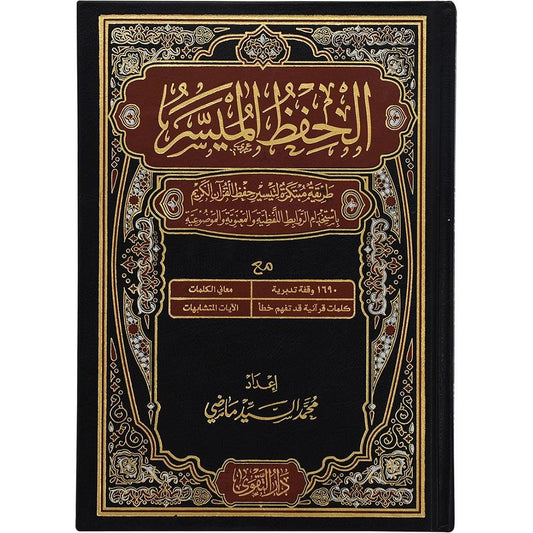

Easy Memorization Quran
Easy Memorization Quran
An innovative method to facilitate memorization of the Holy Quran using verbal and conceptual links.
Mohamed Elsayed Madi, Ahmed Issa Elmasrawi
- from Dhs. 45.00
- from Dhs. 45.00
- Unit price
- per


Tajweed Holy Quran, 30 parts, with an Arabic leather bag, size 17 x 24 cm
Tajweed Quran, 30 parts, with leather case - Arabic Size 24*17 cm This deluxe Tajweed Quran is a paperback divided into thirty separate parts, all presented in a beautiful, sturdy black leather case, perfectly designed to protect the parts from loss or damage. It...
- Dhs. 94.00
- Dhs. 94.00
- Unit price
- per


Taysir Al-Karim Al-Rahman in interpreting the words of Al-Mannan, Al-Saadi’s interpretation
Taysir al-Karim al-Rahman fi Tafsir Kalam al-Mannan (The Facilitation of the Most Gracious, Most Merciful in the Interpretation of the Words of the Beneficent) - Tafsir al-Sa'di Author's name: Sheikh Abdul Rahman bin Nasser Al-Saadi Al-Sa'di's interpretation is one that focuses on clarifying the...
- Dhs. 73.00
- Dhs. 73.00
- Unit price
- per
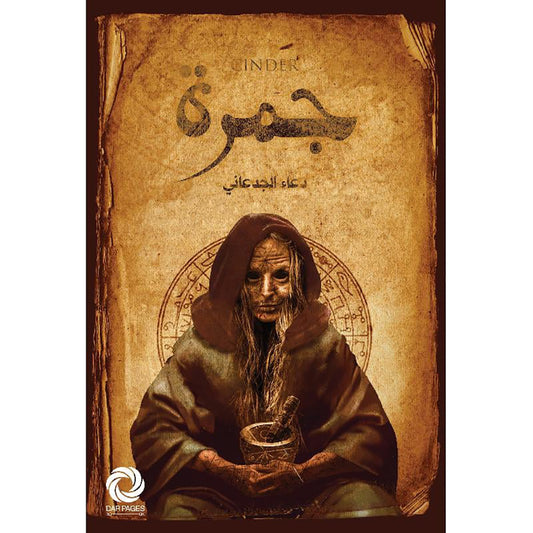

Ember - Duaa Al-Jadaani
cinder
Author's name: Duaa Al-Jadaani
They are cowards, cowards who are good at creating illusions.
- Dhs. 72.00
- Dhs. 72.00
- Unit price
- per


Take your belief from the Qur’an and the authentic Sunnah
Take your belief from the Qur’an and the authentic Sunnah Author's name: Muhammad ibn Jamil Zeno A message from Sheikh Muhammad Jamil Zeno in which he explains the doctrine of the Sunnis and the community on various doctrinal issues: monotheism, polytheism, tyranny, following the...
- Dhs. 15.00
- Dhs. 15.00
- Unit price
- per

Granada Trilogy
Granada Trilogy Author: Radwa Ashour The Granada Trilogy is a series of three novels by the Egyptian author Radwa Ashour, consisting of Granada Mariam Departure The events take place in the Kingdom of Granada after the fall of all Islamic kingdoms in Al-Andalus. The...
- Dhs. 55.00
- Dhs. 55.00
- Unit price
- per

I loved him, so everything loved me back.
I loved him so everything loved me Author's name: Raghad Al Saleh A profound, beautiful book with diverse presentations, ideas, and titles full of benefit and stories taken from the righteous predecessors and their hidden worship and how we get closer to God. I...
- Dhs. 49.00
- Dhs. 49.00
- Unit price
- per
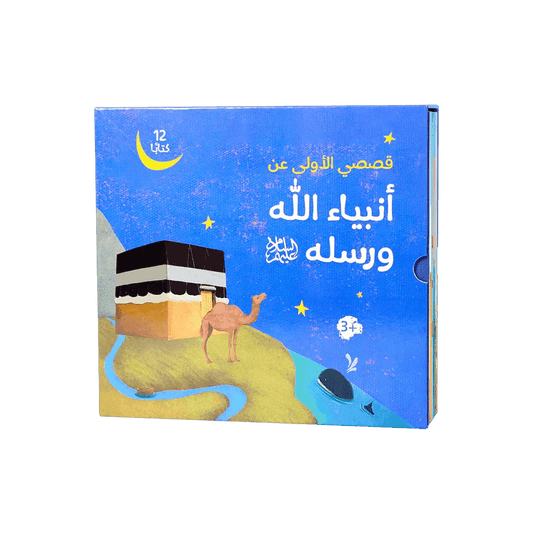

My first stories about God's prophets and messengers
My first stories about God's prophets and messengers A series of stories for children in early childhood education, featuring the prophets and messengers of God Almighty in a simple, enjoyable, and engaging style. The aim is to present lessons and morals drawn from their...
- Dhs. 165.00
Dhs. 185.00- Dhs. 165.00
- Unit price
- per
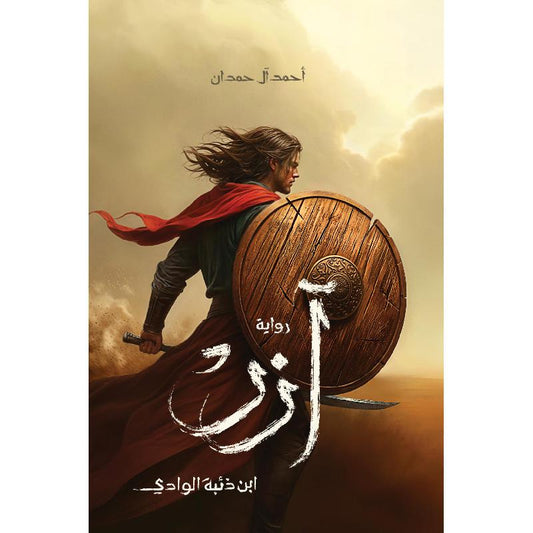

Azar, son of the Wolf of the Valley
AZAR
Son of the Valley She-wolf
Author: Ahmed Al Hamdan
I dreamt that I gave birth to a moon ascending to the sky, illuminating the Arabian Peninsula with its light.
- Dhs. 79.00
- Dhs. 79.00
- Unit price
- per
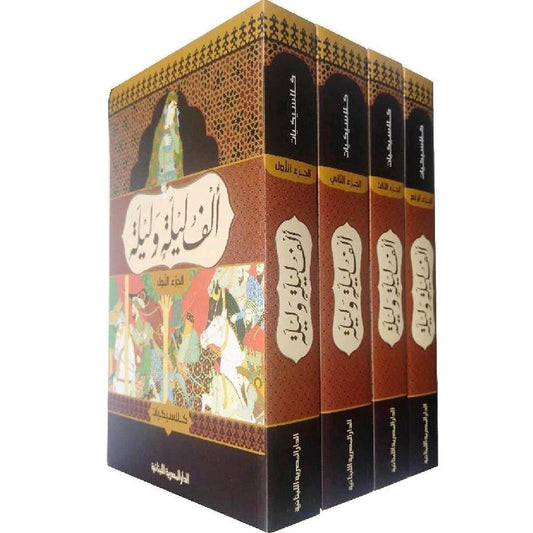

One Thousand and One Nights 4 parts
One Thousand and One Nights - 4 Parts Author Name: Abdullah Ibn al-Muqaffa One Thousand and One Nights is a collection of stories from West and South Asia, along with folk tales that were compiled and translated into Arabic during the Islamic...
- Dhs. 110.00
Dhs. 135.00- Dhs. 110.00
- Unit price
- per
- Choosing a selection results in a full page refresh.