
Customer service: 00971581607579 📞


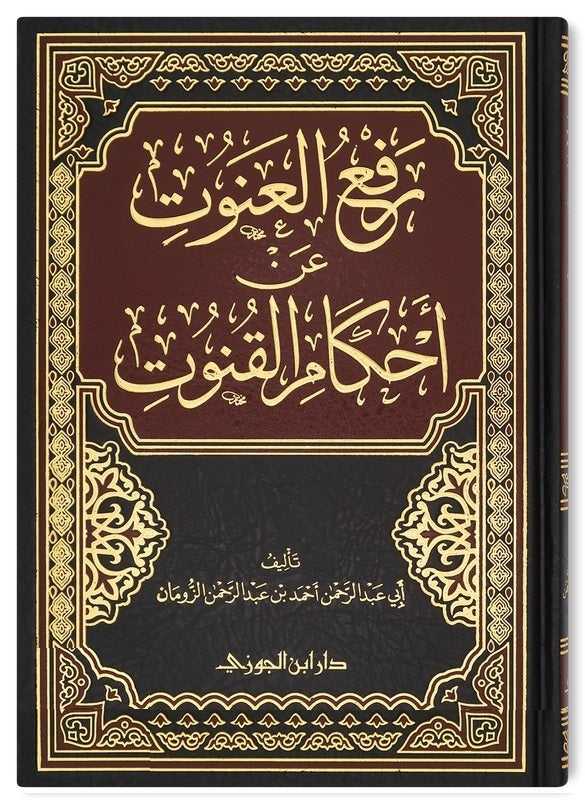

Lifting the burden on the rules of Qunut
Author's name: Abu Abdul Rahman Ahmed bin Abdul Rahman Al-Zoman
One of the issues that is most needed in our time is the supplication of calamity and explaining its rulings. Since the rulings of supplication of calamity are linked to the supplication of Witr and Fajr, I saw that adding their rulings is similar to the previous scholars of hadith, as they devoted authenticated books to supplication, including al-Hafiz Abu al-Qasim Abd al-Rahman ibn Mandah, al-Hafiz Abu Abdullah Muhammad ibn Abdullah al-Hakim al-Naysaburi, and al-Hafiz Abu Bakr Ahmad ibn Ali, known as al-Khatib al-Baghdadi. I did not come across these books, so I devoted a special book to supplication. I exerted my effort in tracking down and studying everything I came across with authenticated hadiths attributed to the Prophet (peace and blessings of Allah be upon him) and reports attributed to the Companions (may Allah be pleased with them). As for the reports of the Successors and those who came after them, I mention them when attributing a statement to them in research issues, in order to prove the validity of attributing a statement or not. I divided the book into four chapters: a chapter on the rulings of the Qunut of Witr, a chapter on the rulings of the Qunut of calamity, a chapter on the rulings of the Qunut in obligatory prayers other than calamity, and a chapter on the common issues between the types of Qunut. I wrote it because I needed to verify this chapter and to make it easier for my brothers, the students of knowledge, the imams of mosques, and others who do not have the opportunity to study the issues of Qunut. I named it “Removing the Hardship from the Rulings on Qunut.” I mentioned my research methodology in the introduction, “Sunni Divorce and Heretical Divorce,” so I will not repeat it. However, what should be noted in this book, when attributing the sayings of the Salaf on the common issues between the types of Qunut, is that you may not find a supported text for them on every issue of the types of Qunut, as well as the schools of thought of the four Imams. May Allah reward my brothers, the students of knowledge, who helped me with this research through review and guidance, and I especially mention my brother Sheikh Sulayman bin Saleh Al-Rubaian, the supervisor of the printing. May Allah guide his wife and children and bless his time.

Best Selling
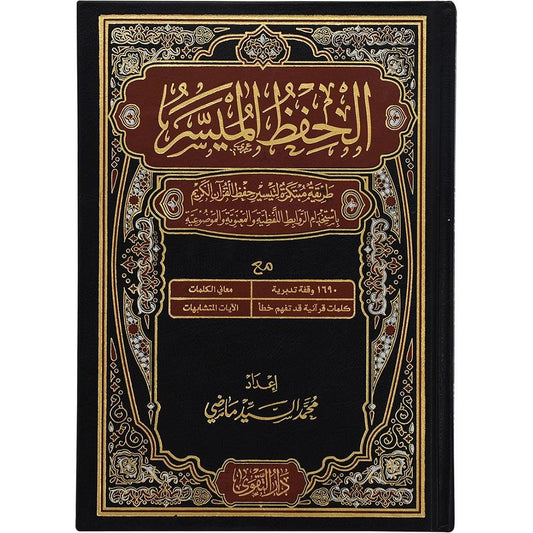

Easy Memorization Quran
Easy Memorization Quran
An innovative method to facilitate memorization of the Holy Quran using verbal and conceptual links.
Mohamed Elsayed Madi, Ahmed Issa Elmasrawi
- from Dhs. 45.00
- from Dhs. 45.00
- Unit price
- per


Tajweed Holy Quran, 30 parts, with an Arabic leather bag, size 17 x 24 cm
Tajweed Quran, 30 parts, with leather case - Arabic Size 24*17 cm This deluxe Tajweed Quran is a paperback divided into thirty separate parts, all presented in a beautiful, sturdy black leather case, perfectly designed to protect the parts from loss or damage. It...
- Dhs. 94.00
- Dhs. 94.00
- Unit price
- per


Taysir Al-Karim Al-Rahman in interpreting the words of Al-Mannan, Al-Saadi’s interpretation
Taysir al-Karim al-Rahman fi Tafsir Kalam al-Mannan (The Facilitation of the Most Gracious, Most Merciful in the Interpretation of the Words of the Beneficent) - Tafsir al-Sa'di Author's name: Sheikh Abdul Rahman bin Nasser Al-Saadi Al-Sa'di's interpretation is one that focuses on clarifying the...
- Dhs. 73.00
- Dhs. 73.00
- Unit price
- per
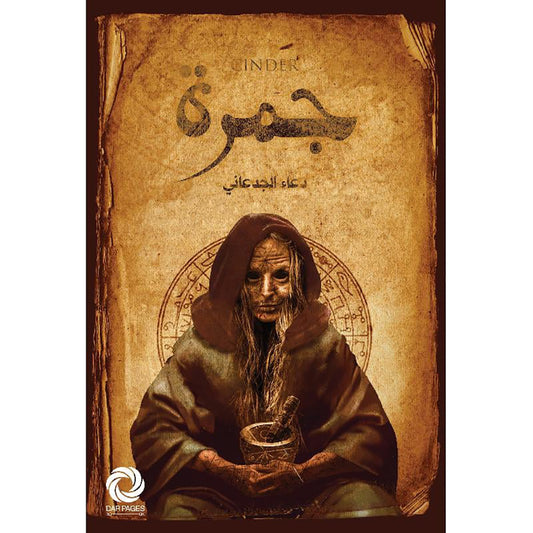

Ember - Duaa Al-Jadaani
cinder
Author's name: Duaa Al-Jadaani
They are cowards, cowards who are good at creating illusions.
- Dhs. 72.00
- Dhs. 72.00
- Unit price
- per


Take your belief from the Qur’an and the authentic Sunnah
Take your belief from the Qur’an and the authentic Sunnah Author's name: Muhammad ibn Jamil Zeno A message from Sheikh Muhammad Jamil Zeno in which he explains the doctrine of the Sunnis and the community on various doctrinal issues: monotheism, polytheism, tyranny, following the...
- Dhs. 15.00
- Dhs. 15.00
- Unit price
- per

Granada Trilogy
Granada Trilogy Author: Radwa Ashour The Granada Trilogy is a series of three novels by the Egyptian author Radwa Ashour, consisting of Granada Mariam Departure The events take place in the Kingdom of Granada after the fall of all Islamic kingdoms in Al-Andalus. The...
- Dhs. 55.00
- Dhs. 55.00
- Unit price
- per


The Qiyam Mushaf with thematic division of the verses of the Holy Quran, white paper, size 24 x 17 cm
The Qiyam Quran with thematic division of the verses of the Holy Quran, white paper, size 24 x 17 cm With Q barcode This Quran is distinguished by having a code on each of its pages. When reading the code using a barcode reader...
- Dhs. 35.00
- Dhs. 35.00
- Unit price
- per

I loved him, so everything loved me back.
I loved him so everything loved me Author's name: Raghad Al Saleh A profound, beautiful book with diverse presentations, ideas, and titles full of benefit and stories taken from the righteous predecessors and their hidden worship and how we get closer to God. I...
- Dhs. 49.00
- Dhs. 49.00
- Unit price
- per


My first stories about God's prophets and messengers
My first stories about God's prophets and messengers A series of stories for children in early childhood education, featuring the prophets and messengers of God Almighty in a simple, enjoyable, and engaging style. The aim is to present lessons and morals drawn from their...
- Dhs. 165.00
Dhs. 185.00- Dhs. 165.00
- Unit price
- per
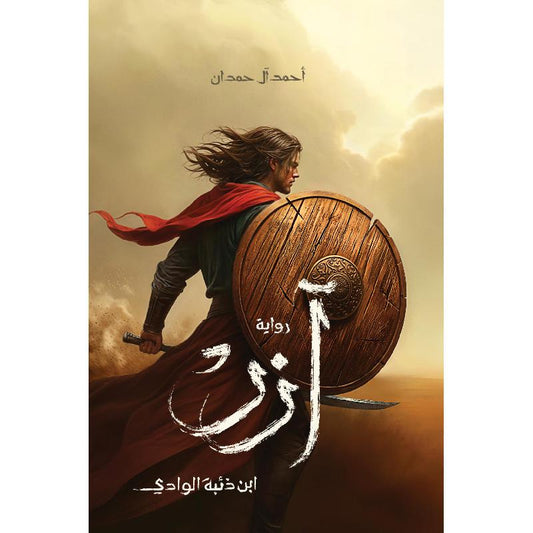

Azar, son of the Wolf of the Valley
AZAR
Son of the Valley She-wolf
Author: Ahmed Al Hamdan
I dreamt that I gave birth to a moon ascending to the sky, illuminating the Arabian Peninsula with its light.
- Dhs. 79.00
- Dhs. 79.00
- Unit price
- per
- Choosing a selection results in a full page refresh.