
Customer service: 00971581607579 📞


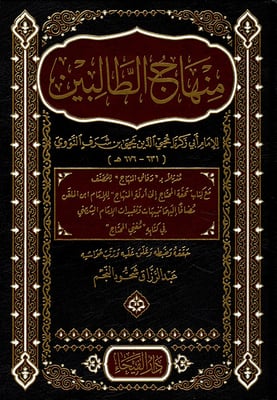
The curriculum of the students and the pillar of the muftis
Author's name: Muhyiddin Abi Zakariya Yahya ibn Sharaf al-Nawawi
The name of the author of Tuhfat al-Muhtaj ila Adillat al-Minhaj: Ibn al-Mulaqqin Siraj al-Din Abu Hafs Umar ibn Ali ibn Ahmad al-Shafi’i al-Misri (d. 804 AH)
The name of the author of Mughni al-Muhtaj: Shams al-Din Muhammad ibn Muhammad al-Khatib al-Sharbini, d. 977 AH
Investigation | Graduation | Commentary | Control | Study: Abdul Razzaq Shahoud Al-Najm
Minhaj al-Talibin wa Umdat al-Muftiin, appended with the minhaaj minhaaj details by the author, along with the book Tuhfat al-Muhtaj ila Adillat al-Minhaaj by Imam Ibn al-Mulaqqin, in addition to the warnings and restrictions of Imam al-Sharbini in the book Mughni al-Muhtaj | Muhyi al-Din Abu Zakariya Yahya ibn Sharaf al-Nawawi
A book that all fingers agreed to give it precedence over other texts, because it contains jurisprudential issues, investigation and scrutiny that the successful are pleased with. Therefore, it was the link between texts. Scholars agreed on its precedence and precedence, so it spread like light, and scholars continued to strive to explain and organize it, abridge and refine it, and pay attention to it in all aspects. It is sufficient for you that its commentators alone exceeded one hundred, and this is in reality due to several factors: First: The status of its author among scholars, and his deep knowledge of the jurisprudence of religion, which was praised by the noble. Second: The righteousness and sincerity of its author, and what the biographies recorded of his blessings, asceticism and piety. There was no Shafi'i student who did not read it, spend time with it and discuss it, so Allah clothed him in the garment of acceptance and fame, and clothed him in the garment of popularity. No student read it attentively except that he succeeded and rose in the ladder of jurisprudence to a great height, until their saying became widespread: "Whoever reads Al-Minhaj... will be agitated." Third: Imam al-Nawawi, the accomplished scholar, abridged it from al-Muharrir by al-Rafi'i (may Allah have mercy on him) and added new issues. Fourth: Imam al-Nawawi followed an interesting, unique and concise method in composing and presenting the opinions of the school and the accepted sources. He summarized the various paths of disagreement in a few words and explained its terminology in the introduction to al-Minhaj, thus providing the student with knowledge of jurisprudence and the terminology he selected with complete ease and clarity. Thus, al-Minhaj became the essence of Shafi'i jurisprudence and the undisputed summary of the school.
Since this book is famous and has a high status among Shafi'i jurists, it had the right to be published in a splendid edition befitting its stature, as this would have led to its long association. Therefore, Dar Al-Minhaj resolved to publish it in a scholarly, verified edition, deriving this verification from the approved manuscripts. After serious research and touring manuscript centers, they found several manuscript copies, among which was an ancient copy, distinguished by its authenticity and precision, as it had licenses in the handwriting of famous scholars such as Al-Hafiz Al-Iraqi and others. It was a copy circulated by memorizers, read by jurists, and commented on by investigators, so it is worthy of consideration, in addition to comparing it with other copies for memorization.

Best Selling
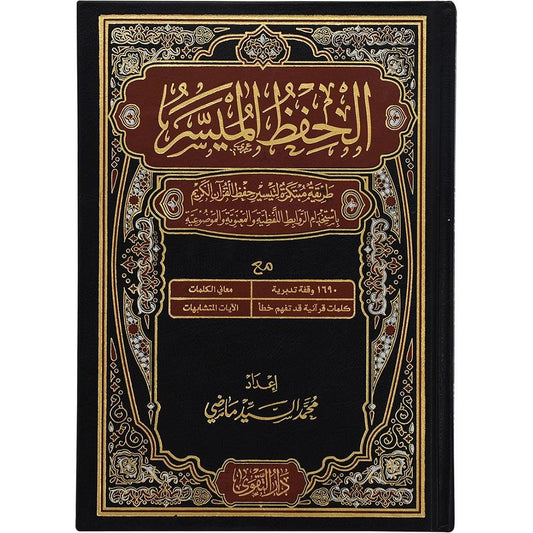

Easy Memorization Quran
Easy Memorization Quran
An innovative method to facilitate memorization of the Holy Quran using verbal and conceptual links.
Mohamed Elsayed Madi, Ahmed Issa Elmasrawi
- from Dhs. 45.00
- from Dhs. 45.00
- Unit price
- per


Tajweed Holy Quran, 30 parts, with an Arabic leather bag, size 17 x 24 cm
Tajweed Quran, 30 parts, with leather case - Arabic Size 24*17 cm This deluxe Tajweed Quran is a paperback divided into thirty separate parts, all presented in a beautiful, sturdy black leather case, perfectly designed to protect the parts from loss or damage. It...
- Dhs. 94.00
- Dhs. 94.00
- Unit price
- per


Taysir Al-Karim Al-Rahman in interpreting the words of Al-Mannan, Al-Saadi’s interpretation
Taysir al-Karim al-Rahman fi Tafsir Kalam al-Mannan (The Facilitation of the Most Gracious, Most Merciful in the Interpretation of the Words of the Beneficent) - Tafsir al-Sa'di Author's name: Sheikh Abdul Rahman bin Nasser Al-Saadi Al-Sa'di's interpretation is one that focuses on clarifying the...
- Dhs. 73.00
- Dhs. 73.00
- Unit price
- per
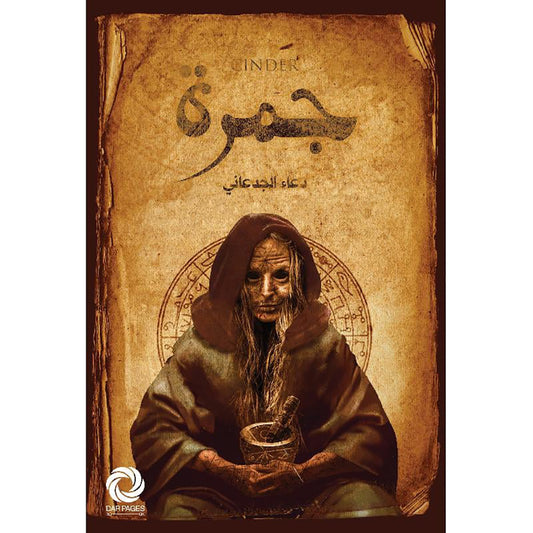

Ember - Duaa Al-Jadaani
cinder
Author's name: Duaa Al-Jadaani
They are cowards, cowards who are good at creating illusions.
- Dhs. 72.00
- Dhs. 72.00
- Unit price
- per


Take your belief from the Qur’an and the authentic Sunnah
Take your belief from the Qur’an and the authentic Sunnah Author's name: Muhammad ibn Jamil Zeno A message from Sheikh Muhammad Jamil Zeno in which he explains the doctrine of the Sunnis and the community on various doctrinal issues: monotheism, polytheism, tyranny, following the...
- Dhs. 15.00
- Dhs. 15.00
- Unit price
- per

Granada Trilogy
Granada Trilogy Author: Radwa Ashour The Granada Trilogy is a series of three novels by the Egyptian author Radwa Ashour, consisting of Granada Mariam Departure The events take place in the Kingdom of Granada after the fall of all Islamic kingdoms in Al-Andalus. The...
- Dhs. 55.00
- Dhs. 55.00
- Unit price
- per


The Qiyam Mushaf with thematic division of the verses of the Holy Quran, white paper, size 24 x 17 cm
The Qiyam Quran with thematic division of the verses of the Holy Quran, white paper, size 24 x 17 cm With Q barcode This Quran is distinguished by having a code on each of its pages. When reading the code using a barcode reader...
- Dhs. 35.00
- Dhs. 35.00
- Unit price
- per

I loved him, so everything loved me back.
I loved him so everything loved me Author's name: Raghad Al Saleh A profound, beautiful book with diverse presentations, ideas, and titles full of benefit and stories taken from the righteous predecessors and their hidden worship and how we get closer to God. I...
- Dhs. 49.00
- Dhs. 49.00
- Unit price
- per
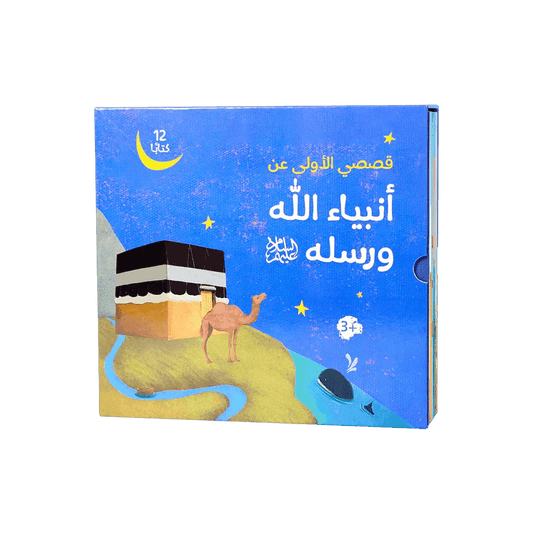

My first stories about God's prophets and messengers
My first stories about God's prophets and messengers A series of stories for children in early childhood education, featuring the prophets and messengers of God Almighty in a simple, enjoyable, and engaging style. The aim is to present lessons and morals drawn from their...
- Dhs. 165.00
Dhs. 185.00- Dhs. 165.00
- Unit price
- per
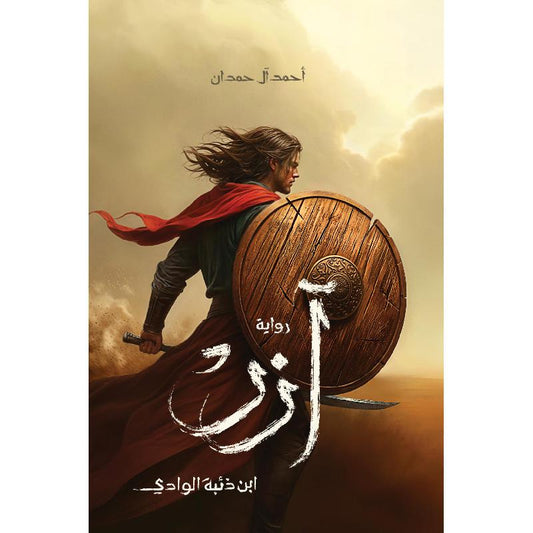

Azar, son of the Wolf of the Valley
AZAR
Son of the Valley She-wolf
Author: Ahmed Al Hamdan
I dreamt that I gave birth to a moon ascending to the sky, illuminating the Arabian Peninsula with its light.
- Dhs. 79.00
- Dhs. 79.00
- Unit price
- per
- Choosing a selection results in a full page refresh.