
Customer service: 00971581607579 📞


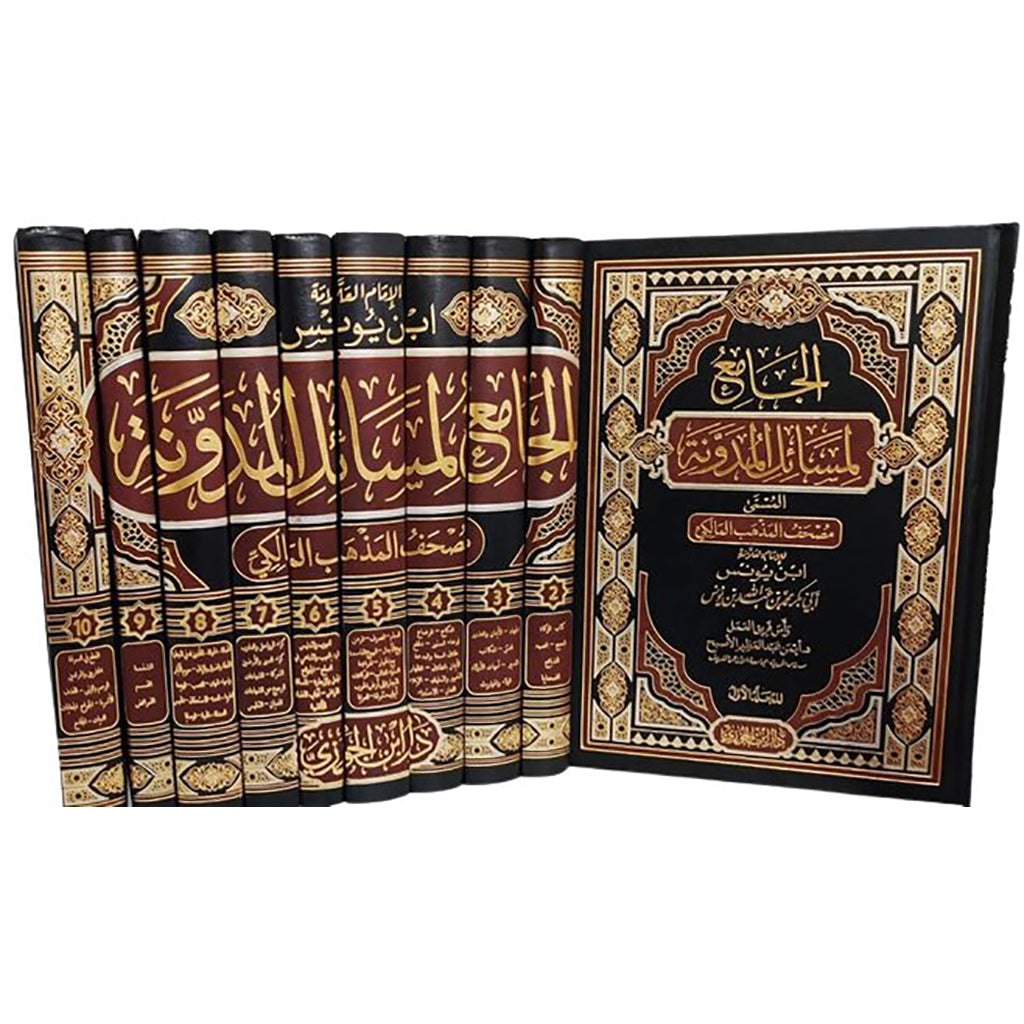
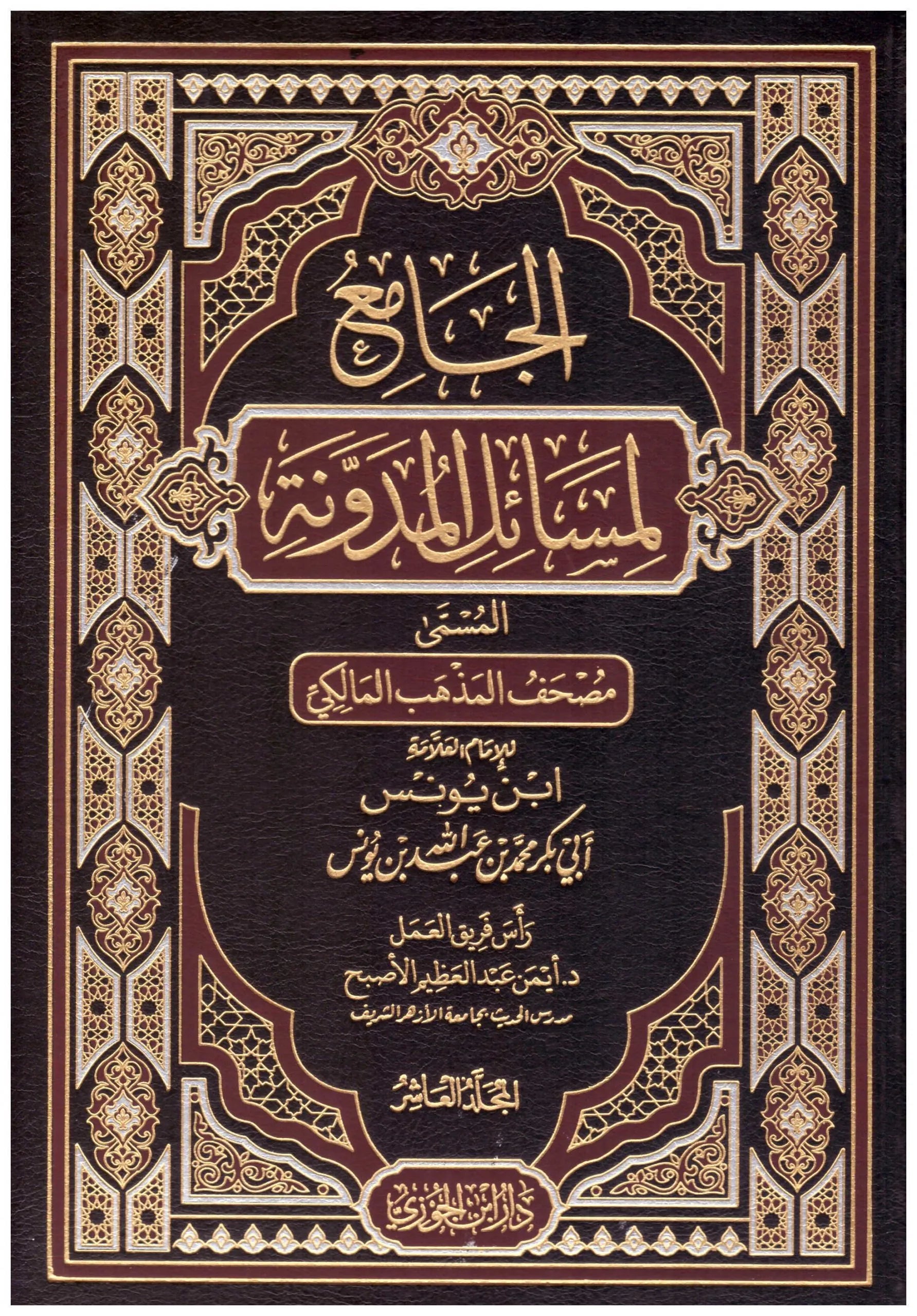
The Compendium of the Issues of the Code, 10 Volumes
The Maliki School of Thought
Author's name: Ibn Yunus al-Siqilli
The book “Al-Jami’ li Masa’il al-Mudawwana wa al-Mukhtalata” by the imam, jurist, and knowledgeable scholar “Abu Bakr Muhammad ibn Abdullah al-Tamimi al-Siqilli (d. 451 AH)” is among the best, most excellent, and most beautiful of those who took care of the Mudawwana. He summarized it in a wonderful summary without compromising its issues, and explained it in a comprehensive and comprehensive explanation, collecting its scattered issues, citing the narrations as evidence, quoting its additions and distributed counterparts, explaining what was difficult in its wording, expanding its wording for ease, directing it in a direction consistent with its contents, clarifying its aspects and interpretation from other than the Mudawwana, and separating between its similarities so that some of them would not be confused with each other.* The imam relied on the most important sources of Maliki jurisprudence, such as Ibn al-Qasim, Ibn al-Mawaz, Ibn al-Utbi, and on the authority of Ibn Wahb, Ibn Habib, al-Abhari, Ibn al-Qassar, Ibn Khuwayzmandad, Abu Ishaq ibn Sha’ban, and Abu Bakr ibn al-Labad. And sometimes he used an example: More than one of the people of Baghdad said, Some of our companions said, and most of the mountains of Maliki jurisprudence and its pillars were those who came before him.* The importance of the book “Al-Jami’ li Masa’il al-Mudawwana wa al-Mukhtalata” by Ibn Yunus in Maliki jurisprudence is great and profound, for it is the reliance of the Malikis in the past, and it was even called the “Mushaf of the School,” in comparison to the Noble Qur’an in which everything is explained, and that whoever has the “Jami’ li Masa’il al-Mudawwana wa al-Mukhtalata” is sufficient for it, and it is in truth a name that matches its meaning.* People circulated the book “Al-Jami’ li Masa’il al-Mudawwana wa al-Mukhtalata,” in the East and the West, and they copied from it. Indeed, you can hardly find a Maliki book on jurisprudence, hadith, or interpretation that has not been copied from Ibn Yunus, and this alone is sufficient to prove the value of the book, in addition to the fact that some of them memorized it by heart and answered questions from it.

Best Selling
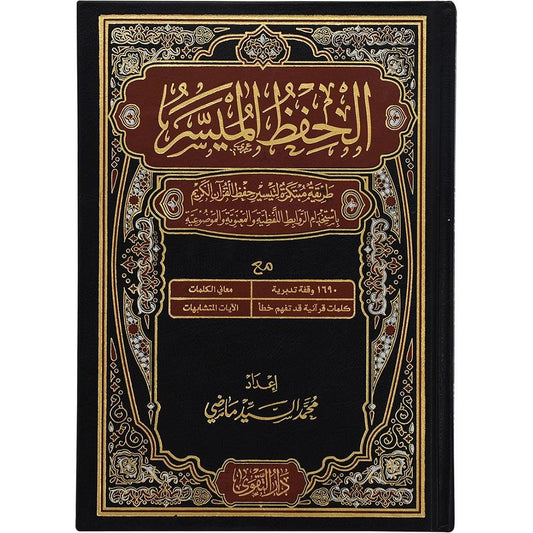

Easy Memorization Quran
Easy Memorization Quran
An innovative method to facilitate memorization of the Holy Quran using verbal and conceptual links.
Mohamed Elsayed Madi, Ahmed Issa Elmasrawi
- from Dhs. 45.00
- from Dhs. 45.00
- Unit price
- per

Explanation of the Three Fundamentals, followed by an explanation of the Four Rules, by Sheikh Saleh Al-Fawzan
Explanation of the Three Principles Followed by an explanation of the four rules. Author's name: Imam Muhammad ibn Abd al-Wahhab Dr. Saleh bin Fawzan bin Abdullah Al-Fawzan Edited and printed by: Dr. Salman Jaber Othman Al-Mujalham Al-Suwailem The book Explanation of the Three Fundamentals,...
- Dhs. 65.00
- Dhs. 65.00
- Unit price
- per

The Power of Your Subconscious Mind Dr. Joseph Murphy
The power of your subconscious mind By Dr. Joseph Murphy This book is one of the best-selling self-help books of all time. This edition explains mental focus techniques that can remove subconscious obstacles that prevent us from achieving the success we desire, in a...
- Dhs. 62.00
Dhs. 73.00- Dhs. 62.00
- Unit price
- per

Because You are Allah: A Journey to the Seventh Heaven - Part One
Because You Are God: A Journey to the Seventh Heaven - Part One Author's name: Ali Jaber Al-Fifi The writer was able to take us through his creations on a deep journey to learn something about some of His names, such that no name...
- Dhs. 33.00
- Dhs. 33.00
- Unit price
- per

The courage to be unloved
The courage to be unpopular Author's Name: Ichiro Kishimi - Fumitake Koga "It is not what we are given at birth that matters, but how we use that provision." "Your suffering in life cannot be attributed to your past or your environment. Nor is...
- Dhs. 57.00
- Dhs. 57.00
- Unit price
- per

رسائل أيقظت رجلا
رسائل أيقظت رجلاً للكاتبة الإماراتية منيرة النعيمي في أبوظبي، يعيش سيف بين مسؤوليات الأبوة وذكريات لا تفارقه، محاولًا أن يصنع لأطفاله حياةً آمنة بعد أن غيّب الموت شريكة عمره. أربعة أطفال هم عالمه، وبيتٌ امتلأ يومًا بالحب، ثم تعلّم كيف يتعايش مع غياب من...
- Dhs. 65.00
- Dhs. 65.00
- Unit price
- per


One-Page Marketing Plan
The 1-Page Marketing Plan Author: Allan Dib To build a successful business, you must stop random marketing activities and start following a reliable plan for rapid growth. Creating a practical marketing plan used to be difficult and time-consuming, which is why it often...
- Dhs. 79.00
- Dhs. 79.00
- Unit price
- per

Icadoli
Icadoli Author's name: Hanan Lashin Palm fronds shaded the horizon in the distance like green clouds. A strange cry deafened his ears, then he suddenly felt talons grabbing his shoulders. He looked up and saw a giant bird spreading its wings, shadowing him over...
- Dhs. 48.00
- Dhs. 48.00
- Unit price
- per

The Frozen River
The Frozen River
Author: Arbuthnot Lauson
A translated historical novel set in the late 18th century in the state of Maine, USA, blending mystery, investigation, and social and historical aspects.
- Dhs. 68.00
- Dhs. 68.00
- Unit price
- per

Small shop overlooking the sea
Small shop overlooking the sea
Author's name: Sonoko Machida
- Dhs. 68.00
- Dhs. 68.00
- Unit price
- per
- Choosing a selection results in a full page refresh.