
Customer service: 00971581607579 📞


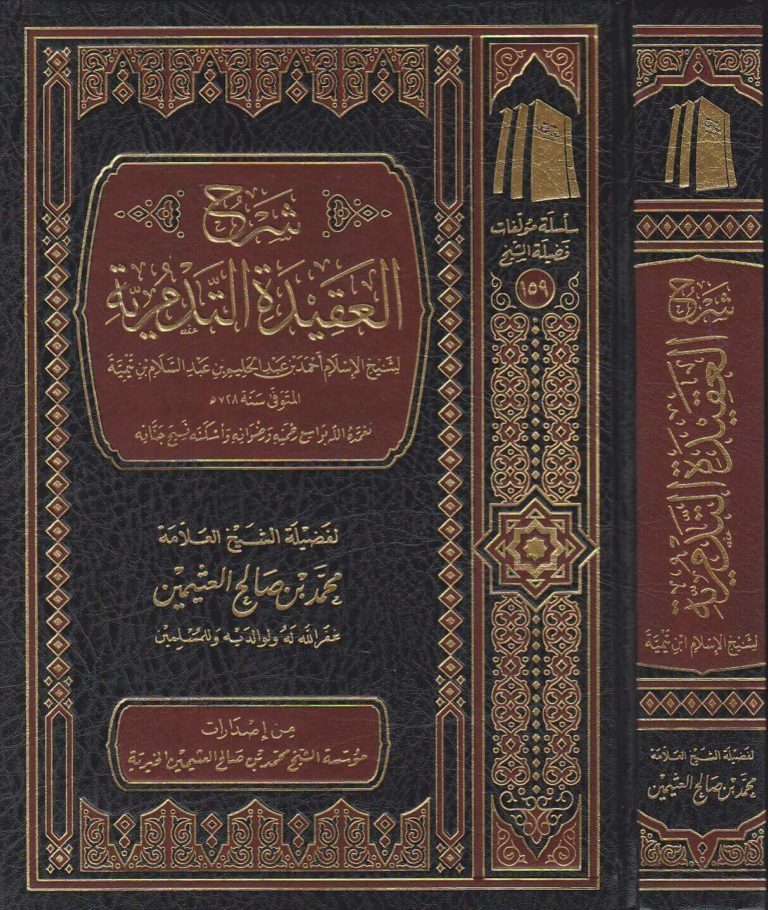
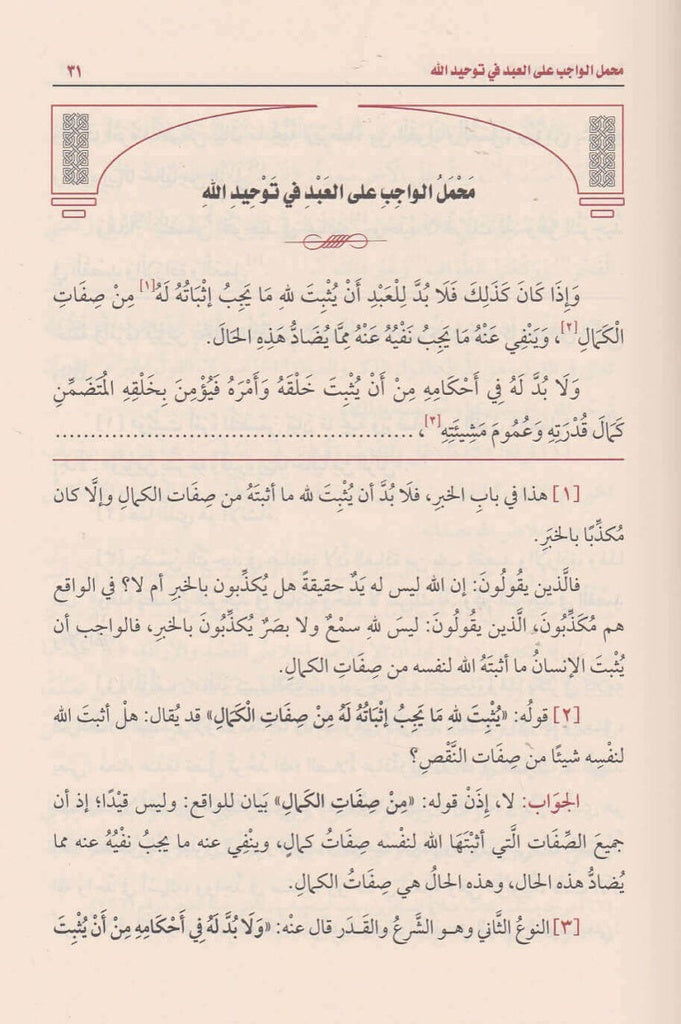
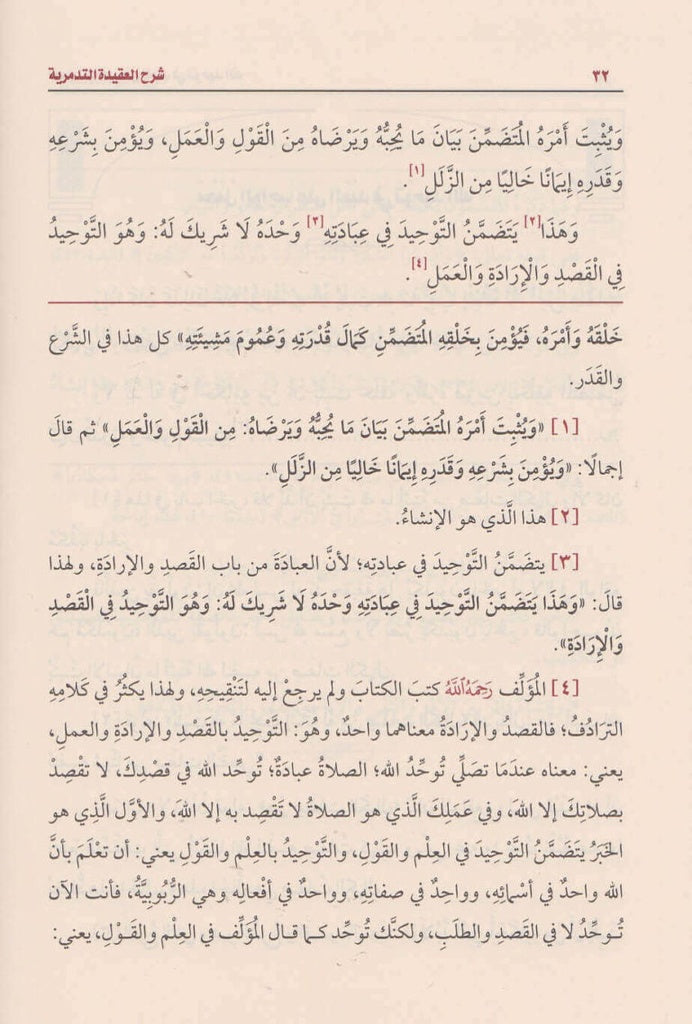


Explanation of the Tadmurian Creed
Author's name: Taqi al-Din Ahmad ibn Abd al-Halim ibn Abd al-Salam ibn Taymiyyah
Muhammad ibn Salih al-Uthaymeen
The Great Hama Fatwa by Sheikh Al-Islam Ibn Taymiyyah - may God Almighty have mercy on him: A great treatise on establishing the doctrine of the Salaf regarding the attributes of God - the Most High - which he wrote in the year (698 AH) in response to a question that came to him from Hama, which was: “What do the eminent jurists and imams of religion say about the verses of the attributes, such as the Most High’s saying: {The Most Gracious is firmly established on the Throne} and His saying: {Then He rose over the Throne} and His saying: {Then He rose to the heaven while it was smoke} and other verses, and the hadiths about the attributes, such as His saying - may God bless him and grant him peace - {The hearts of the children of Adam are between two fingers of the Most Gracious’ fingers} and His saying - may God bless him and grant him peace - {The Compeller will place his foot in the Fire} and other than that, and what the scholars have said about it, and elaborate on that, and you will be rewarded, God Almighty willing.”
His Eminence Sheikh Abdul Aziz bin Ibrahim bin Qasim - may God protect him - said in his book “The Guide to the Scientific Texts”: “The Great Fatwa of Hama” by Sheikh Al-Islam Taqi Al-Din Abu Al-Abbas Ahmad bin Abdul Halim bin Abdul Salam bin Taymiyyah Al-Harrani who died in the year (728 AH) - may God Almighty have mercy on him - he wrote it in the year (698 AH) in response to a question that was sent to him from Hama, which was: “What do the eminent jurists and imams of religion say about the verses of the attributes, such as the Almighty’s saying: {The Most Gracious is firmly established on the Throne} and His saying: {Then He rose over the Throne} and His saying: {Then He rose over the heaven while it was smoke} and other verses, and the hadiths about the attributes, such as His saying - may God bless him and grant him peace - {The hearts of the children of Adam are between two fingers of the Most Gracious’ fingers} and His saying - may God bless him and grant him peace - {The Almighty will place His foot in the Fire} and other than that, and what the scholars have said about it, and elaborate on that and you will be rewarded, God Almighty willing.”
The Sheikh - may God have mercy on him - dictated the answer to that between noon and afternoon prayers, and because of it, well-known events and trials occurred in the biography of Sheikh al-Islam. The Sheikh - may God have mercy on him - wrote this fatwa twice. He wrote it first and then added useful additions to it.
Objections to this fatwa: It was previously mentioned that when Sheikh Taqi al-Din - may God have mercy on him - dictated this fatwa, well-known events and tribulations occurred because of it from his biography. Among these was that one of the Shafi’i judges, Ahmad ibn Yahya ibn Ismail ibn Juhbal al-Kalabi al-Halabi and then al-Dimashqi, who died in the year (733 AH), wrote a response to this fatwa that did more than deny direction to God Almighty. Al-Subki included it in full in Tabaqat al-Shafi’iyyah. It was also printed in the Al-Fajr al-Jadid Press in the year (1987 AD) under the care of Taha al-Dasuqi Habishi, and he named it after his own name, which is “The Clear Facts in Response to Ibn Taymiyyah in What He Awradhu Fi al-Fatwa al-Hamawiyyah” in (143) pages. Sheikh al-Islam Ibn Taymiyyah responded to those who objected to the fatwa al-Hamawiyyah in his book “The Answer to the Egyptian Objections to the Fatwa al-Hamawiyyah,” but this book is not known to exist until now. Sheikh Ahmed bin Ibrahim bin Issa Al-Najdi, who died in the year (1327 AH), may God Almighty have mercy on him, also wrote a book called “Tanbih Al-Nabih wa Al-Ghabi fi Al-Radd Ala Al-Madrasi wa Al-Halabi.” What is meant by Al-Halabi here is Ibn Juhbal, and Al-Madrasi is Muhammad bin Saeed Al-Madrasi, the author of the book “Tanbih bi Al-Tanzih,” printed in the year (1309 AH). Sheikh Ibn Issa’s book was printed in the Kurdistan Scientific Press in the year (1329 AH) with the book “Al-Radd Al-Wafer,” as it was published by Lina Library for Publishing and Distribution in Damanhour in the year (1413 AH) in a volume of (314) pages.
Author's name: Ahmad ibn Abd al-Halim ibn Abd al-Salam ibn Taymiyyah, who died in 728 AH
Explanation of the text: Muhammad ibn Salih al-Uthaymeen
Investigation | Graduation | Comment | Adjustment | Study: None
Prepared | Supervised | Presented by | Cared for by | Reviewed by | Compiled by: Bla
Adjust | Translate | Review Translation | Proofread Translation: None
Subject: Islamic Doctrine | Salafi Doctrine
Publisher: Sheikh Muhammad bin Saleh Al-Uthaymeen Foundation | Qassim, Kingdom of Saudi Arabia
Edition number: First edition
Year of publication: 1437 AH | 2015
Number of parts: 1
Number of pages: 592
Cover Type: Deluxe Hardcover
Paper type: Luxury Chamois
Printing: Color printing | Very clear font

Best Selling
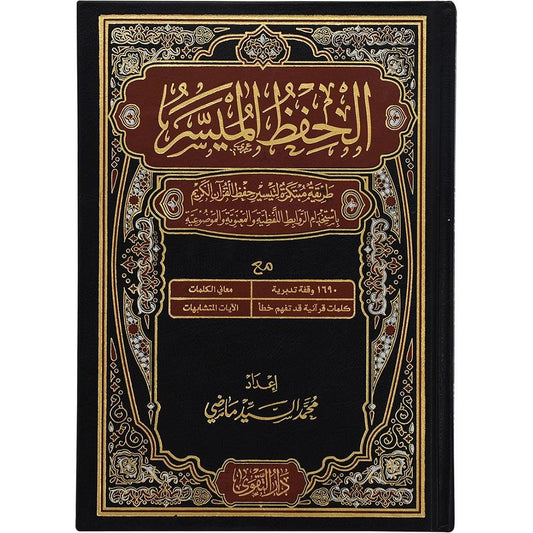

Easy Memorization Quran
Easy Memorization Quran
An innovative method to facilitate memorization of the Holy Quran using verbal and conceptual links.
Mohamed Elsayed Madi, Ahmed Issa Elmasrawi
- from Dhs. 45.00
- from Dhs. 45.00
- Unit price
- per
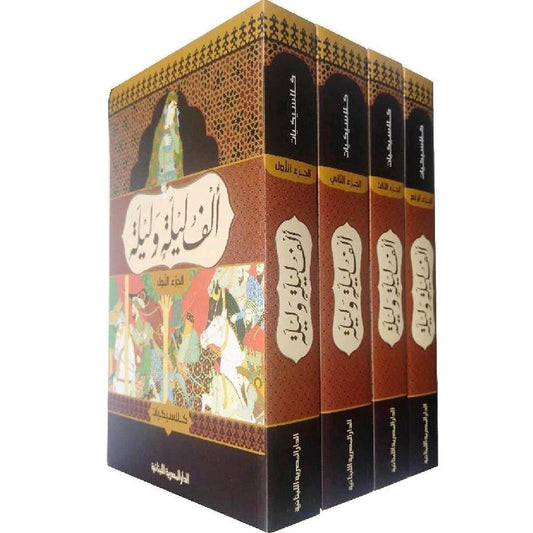

One Thousand and One Nights 4 parts
One Thousand and One Nights - 4 Parts Author Name: Abdullah Ibn al-Muqaffa One Thousand and One Nights is a collection of stories from West and South Asia, along with folk tales that were compiled and translated into Arabic during the Islamic...
- Dhs. 110.00
Dhs. 135.00- Dhs. 110.00
- Unit price
- per

The courage to be unloved
The courage to be unpopular Author's Name: Ichiro Kishimi - Fumitake Koga "It is not what we are given at birth that matters, but how we use that provision." "Your suffering in life cannot be attributed to your past or your environment. Nor is...
- Dhs. 57.00
- Dhs. 57.00
- Unit price
- per

Because You are Allah: A Journey to the Seventh Heaven - Part One
Because You Are God: A Journey to the Seventh Heaven - Part One Author's name: Ali Jaber Al-Fifi The writer was able to take us through his creations on a deep journey to learn something about some of His names, such that no name...
- Dhs. 33.00
- Dhs. 33.00
- Unit price
- per

رسائل أيقظت رجلا
رسائل أيقظت رجلاً للكاتبة الإماراتية منيرة النعيمي في أبوظبي، يعيش سيف بين مسؤوليات الأبوة وذكريات لا تفارقه، محاولًا أن يصنع لأطفاله حياةً آمنة بعد أن غيّب الموت شريكة عمره. أربعة أطفال هم عالمه، وبيتٌ امتلأ يومًا بالحب، ثم تعلّم كيف يتعايش مع غياب من...
- Dhs. 65.00
- Dhs. 65.00
- Unit price
- per


One-Page Marketing Plan
The 1-Page Marketing Plan Author: Allan Dib To build a successful business, you must stop random marketing activities and start following a reliable plan for rapid growth. Creating a practical marketing plan used to be difficult and time-consuming, which is why it often...
- Dhs. 79.00
- Dhs. 79.00
- Unit price
- per

The Frozen River
The Frozen River
Author: Arbuthnot Lauson
A translated historical novel set in the late 18th century in the state of Maine, USA, blending mystery, investigation, and social and historical aspects.
- Dhs. 68.00
- Dhs. 68.00
- Unit price
- per


Meditation on a verse - cards
Reflect on the verse
cards
These are cards containing verses from the Holy Quran. After each verse there is a positive message that will awaken the soul from its heedlessness, and urge and encourage it to return to God again.
- Dhs. 47.00
- Dhs. 47.00
- Unit price
- per
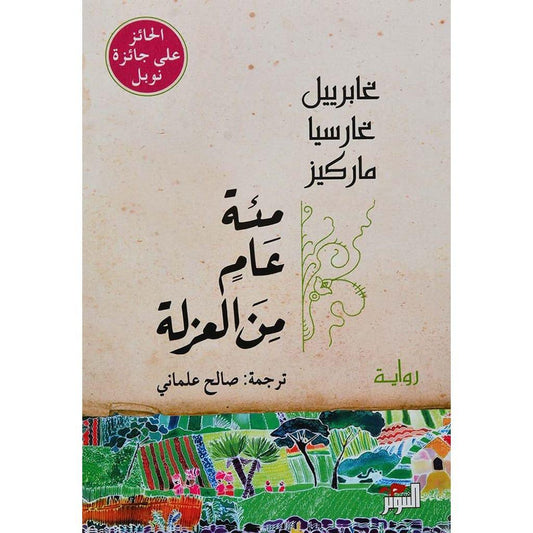

One Hundred Years of Solitude
One Hundred Years of Solitude Author's name: Gabriel García Márquez Translator: Saleh Almani One Hundred Years of Solitude is one of the most recommended books, as it is one of the best books that discusses the subject in a brilliant way, and it is...
- Dhs. 68.00
- Dhs. 68.00
- Unit price
- per
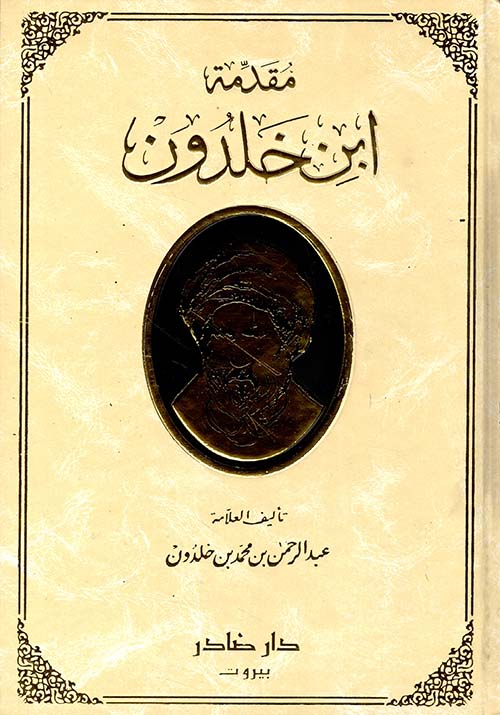

Muqaddimah of Ibn Khaldun - Abd al-Rahman Ibn Khaldun | Dar Sader
Ibn Khaldun's Muqaddimah Author: Abd al-Rahman ibn Muhammad ibn Khaldun, known as the Sage of Historians, who died in 808 AH. The Muqaddimah is a book authored by Ibn Khaldun in 1377 CE as an introduction to his massive work titled Kitāb...
- Dhs. 65.00
- Dhs. 65.00
- Unit price
- per
- Choosing a selection results in a full page refresh.