
Customer service: 00971581607579 📞


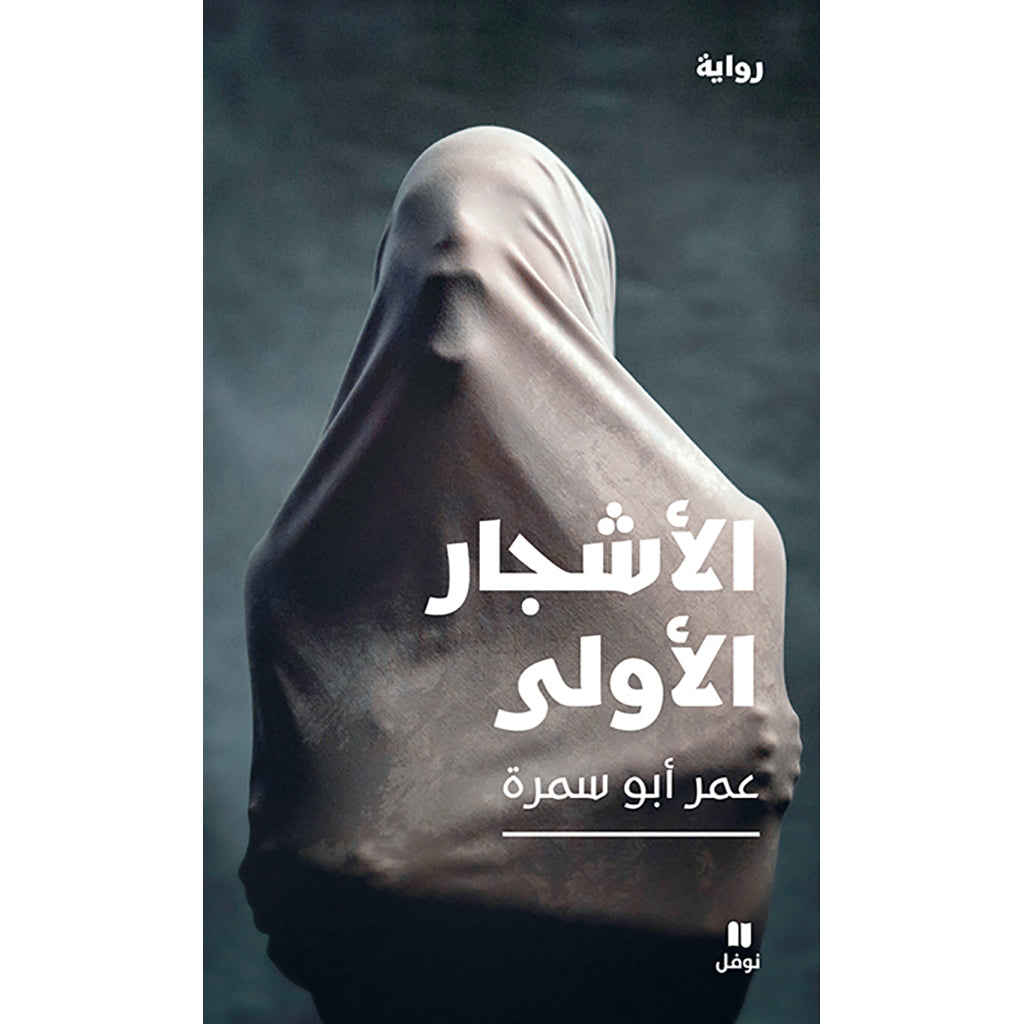
Through the story of Grandmother Nadia Al-Faour, the narrative unfolds, specifically a narrative of Palestine. While the setting is geographically confined to Istanbul and Haifa, between Kadıköy and Wadi al-Nassas, it is a tale of Palestine under occupation, offering a concise and varied glimpse into its history. In one poignant scene, Nadia's ownership of the house is denied, leaving it in her possession. The struggle over the house symbolizes a larger conflict: the struggle for land and memory. The memory of her murder resonates within the grandson, who, along with various voices, narrates the story, which is itself a composite of the voices of the grandparents and others. The narrative doesn't revolve around her past love, but rather takes shape through monologues and numerous dialogues, culminating in her triumph with the old man. These dialogues serve to explain the sorrow, the connection between the grandson and the wounded man, and the struggle between those who possess rights and those who possess power. It is also a harsh, neo-neo-neo-neo-neo language, one that its characters grapple with. Thus, there is a narrative to depict the psychological diaspora suffered by the Palestinian character, who has been exhausted by the occupation, the loss of land, and the identity conflicts between exile and remaining under occupation.
Through the story of Grandmother Nadia al-Faour, the novel portrays the story of Palestine in a unique way. Although the setting encompasses both Istanbul and Haifa, between Kadıköy and Wadi Nisnas, it is a story about Palestine under occupation, offering glimpses into different periods of Palestinian history. In a heart-wrenching scene, the occupying forces kill Nadia after she conceals the deed to the house from them, thus ensuring that the house remains hers. The dispute over the house symbolizes a larger conflict—the struggle over land and memory. The scene of her murder resonates in the memory of her grandson, who, in a series of different voices, narrates the story, a tapestry woven from the voices of the grandparents, the grandson, and others.
The story deviates from the traditional plot structure; it consists of a lengthy monologue interspersed with several conversations, most notably his dialogue with the Israeli soldier. Part of the narrative recounts the grandson's period of detention. The grandson's encounter with the Israeli soldier reveals a conflict between justice and authority. The novel's tone reflects the harsh reality experienced by the characters. Thus, the novel seeks to portray the psychological fragmentation of the Palestinian character, a character burdened by the pressures of occupation, the loss of land, and the identity struggles arising from exile and life under occupation.

Best Selling
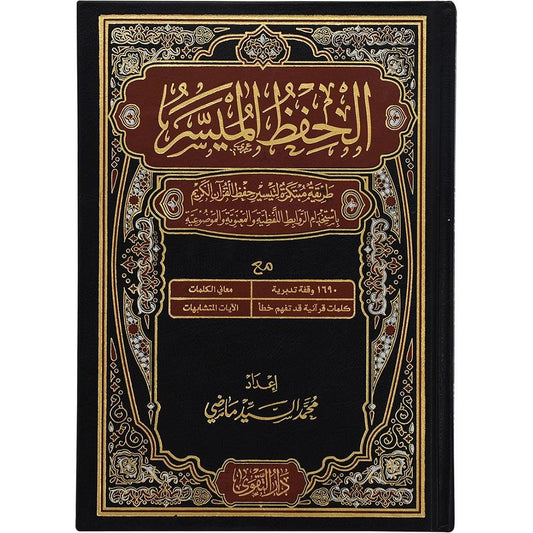

Easy Memorization Quran
Easy Memorization Quran
An innovative method to facilitate memorization of the Holy Quran using verbal and conceptual links.
Mohamed Elsayed Madi, Ahmed Issa Elmasrawi
- from Dhs. 45.00
- from Dhs. 45.00
- Unit price
- per
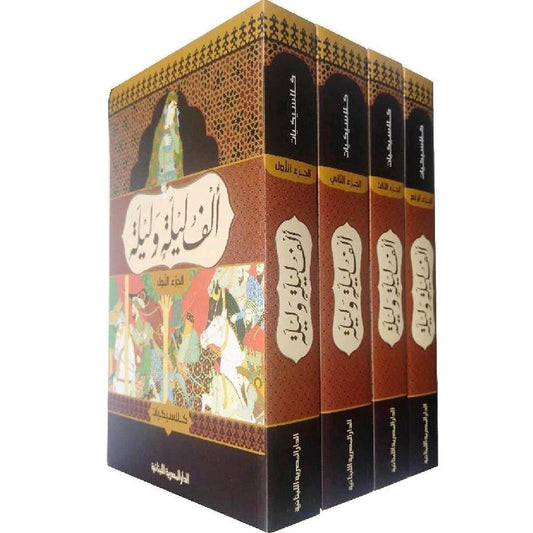

One Thousand and One Nights 4 parts
One Thousand and One Nights - 4 Parts Author Name: Abdullah Ibn al-Muqaffa One Thousand and One Nights is a collection of stories from West and South Asia, along with folk tales that were compiled and translated into Arabic during the Islamic...
- Dhs. 110.00
Dhs. 135.00- Dhs. 110.00
- Unit price
- per

The courage to be unloved
The courage to be unpopular Author's Name: Ichiro Kishimi - Fumitake Koga "It is not what we are given at birth that matters, but how we use that provision." "Your suffering in life cannot be attributed to your past or your environment. Nor is...
- Dhs. 57.00
- Dhs. 57.00
- Unit price
- per

Because You are Allah: A Journey to the Seventh Heaven - Part One
Because You Are God: A Journey to the Seventh Heaven - Part One Author's name: Ali Jaber Al-Fifi The writer was able to take us through his creations on a deep journey to learn something about some of His names, such that no name...
- Dhs. 33.00
- Dhs. 33.00
- Unit price
- per

رسائل أيقظت رجلا
رسائل أيقظت رجلاً للكاتبة الإماراتية منيرة النعيمي في أبوظبي، يعيش سيف بين مسؤوليات الأبوة وذكريات لا تفارقه، محاولًا أن يصنع لأطفاله حياةً آمنة بعد أن غيّب الموت شريكة عمره. أربعة أطفال هم عالمه، وبيتٌ امتلأ يومًا بالحب، ثم تعلّم كيف يتعايش مع غياب من...
- Dhs. 65.00
- Dhs. 65.00
- Unit price
- per


One-Page Marketing Plan
The 1-Page Marketing Plan Author: Allan Dib To build a successful business, you must stop random marketing activities and start following a reliable plan for rapid growth. Creating a practical marketing plan used to be difficult and time-consuming, which is why it often...
- Dhs. 79.00
- Dhs. 79.00
- Unit price
- per

The Frozen River
The Frozen River
Author: Arbuthnot Lauson
A translated historical novel set in the late 18th century in the state of Maine, USA, blending mystery, investigation, and social and historical aspects.
- Dhs. 68.00
- Dhs. 68.00
- Unit price
- per


Meditation on a verse - cards
Reflect on the verse
cards
These are cards containing verses from the Holy Quran. After each verse there is a positive message that will awaken the soul from its heedlessness, and urge and encourage it to return to God again.
- Dhs. 47.00
- Dhs. 47.00
- Unit price
- per
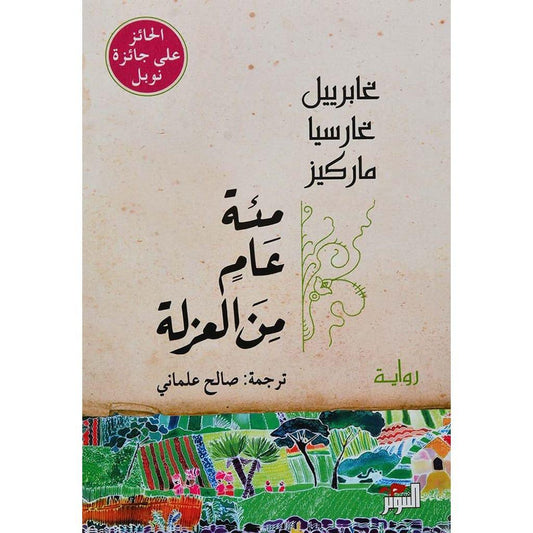

One Hundred Years of Solitude
One Hundred Years of Solitude Author's name: Gabriel García Márquez Translator: Saleh Almani One Hundred Years of Solitude is one of the most recommended books, as it is one of the best books that discusses the subject in a brilliant way, and it is...
- Dhs. 68.00
- Dhs. 68.00
- Unit price
- per
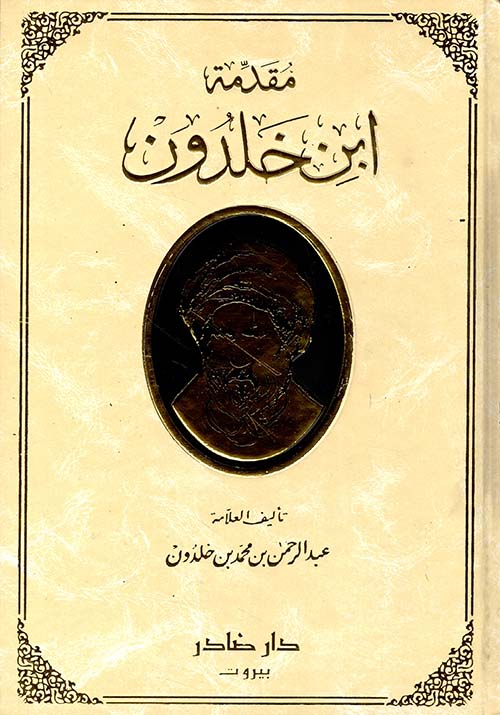

Muqaddimah of Ibn Khaldun - Abd al-Rahman Ibn Khaldun | Dar Sader
Ibn Khaldun's Muqaddimah Author: Abd al-Rahman ibn Muhammad ibn Khaldun, known as the Sage of Historians, who died in 808 AH. The Muqaddimah is a book authored by Ibn Khaldun in 1377 CE as an introduction to his massive work titled Kitāb...
- Dhs. 65.00
- Dhs. 65.00
- Unit price
- per
- Choosing a selection results in a full page refresh.